Great City Parks: Golden Gate Park

Of the Great City Parks on our Hennacornoeliday list, Golden Gate Park in San Francisco fits most perfectly to its host city.  Whereas the National Mall is infinitely greater than D.C. and, in our opinion, Boston deserves a greater Common, Golden Gate is a perfect fit for San Francisco.  Although 20% larger than Central Park (in a city many times smaller than New York), Golden Gate Park never appears intrusive to the city as a whole.  Rather it is like many opposites in the Pacific Northwest (water and land, mountain and valley) in that it is often hard to perceive the true border of city and park.  The homeless sleep in semi-permanent tent cities and office buildings have green facades.  The iconic Haight- Ashbury neighborhood is surprisingly kid friendly and upscale while some parts of Golden Gate Park seem to turn its back on families.  It is these contradictions that ground the park into its urban setting (and at the same time green the concrete).

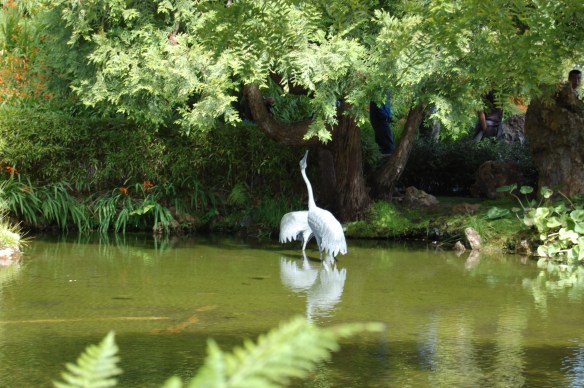
Our two days wandering San Francisco were spent mostly on the perimeter of the great park with frequent crossovers and explorations.  Within or close to the Golden Gate Park exists the nations oldest Japanese Gardens, a children’s museum , wonderful playgrounds, the majestic Palace of Fine Arts, the Conservatory of Flowers, museums, stadiums, and walking trails.  Also periodically a menacing fog can be viewed advancing into the park to chill your summer bones and obscure any city or mountain views.  Several residents informed us that the warmer it is in Sacramento, the colder it is by the bay due to the interior heat drawing the fog toward the coastal mountains.  The summer we visited San Francisco we drove over a couple of weeks to the most northwest corner of Washington and saw exactly one sunset due to the blistering heat east of us.
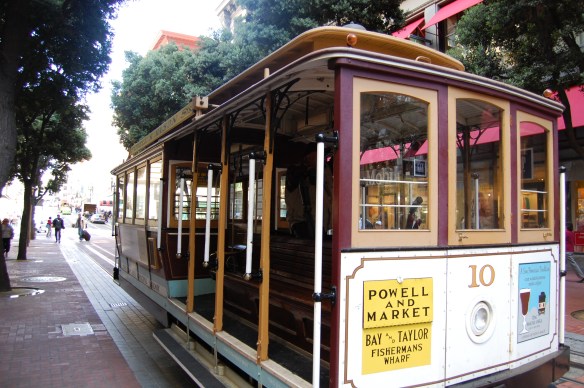
Other things beside the Golden Gate Park that make San Francisco great are book stores, coffee shops, China Town (thus far my favorite China town in the U.S. and Canada), restaurants, and the friendly and sophisticated city folk who seem to appreciate their city as much as the tourists.  Public transportation is wonderful and even thrilling as the light rail system complements the assorted trolley and buses.    Also every corner seems to be a trolley or bus stop which is a great thing when the terrain suddenly becomes too steep to walk any further.  In San Francisco, distances between points are less relevant than the existing grade as it is always easier to walk a flat mile than a mountainous quarter-mile.

Quick travel tip:  Look into Berkley as a base to explore San Francisco.  The train ride in goes under the bay which we thought was pretty cool (and Corey and Henna enjoyed pretending to look for sharks out the train window) and takes only a few minutes.  Hotel prices are of course much cheaper and parking in Berkley is not too difficult.  We stayed at the Holiday Inn Express and had no complaints.
Great City Parks: The National Mall

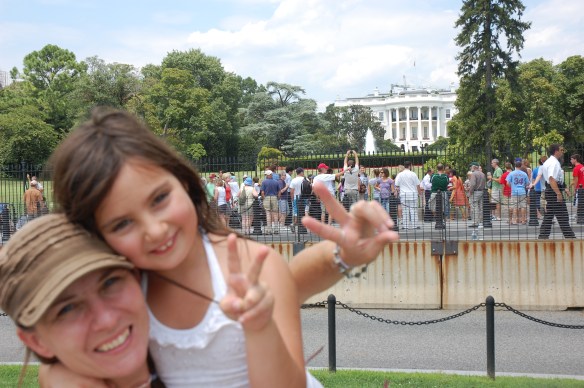
Next in our series of Great City Parks is the National Mall in D.C.  The National Mall is unique in our series for 1) being a national park and 2) it’s absolute overshadowing of its host city.  D.C. without the National Mall (which includes the White House and Capitol Building) would be nothing more than a swampy suburb of Baltimore.  Instead, D.C., at least the part of the city in and near the mall, is a classically re-imagining of a cultured democracy where great ideas are debated, usually with the backing of multimillion dollars PACs. 
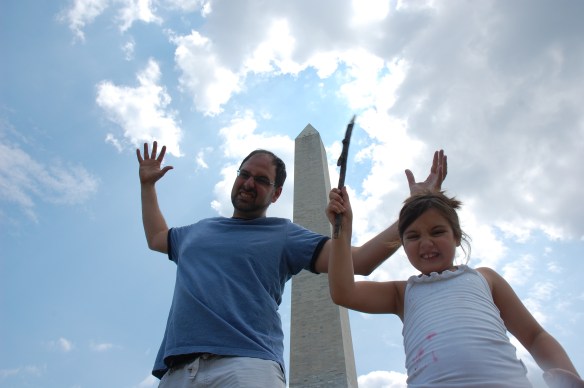
The last time in D.C. we wandered in and out of arboretums and museums (my favorite was the National Air and Space Museum with its emphasis on early airplanes and space travel; Henna preferred the American Indian Museum), walked past the Capital Building and White House, and capped our day off by listening to Garrison Keillor read aloud slightly dirty limericks as part of the National Book Festival (in person he is actually even more engaging and more of a presence than he is on radio).  All of this was of course free.  Being a Sunday, even parking was free and it should be noted that in both our visits to D.C. parking was never an issue.  Previous visits included longer strolls to the Lincoln Memorial and Washington Monument, an extended visit at the National Gallery where we loved the Norman Rockwell exhibit (on loan from George Lucas and Steven Spielberg’s private collection), as well as contemplative moments at the Reflecting Pool and Vietnam Veterans Memorial.

I think House Speaker Boehner and President Obama would agree that our country is not perfect.  No place is.  But as a first impression for millions of international tourists, the National Mall succeeds in accentuating our best traits; accessibility, civic and scientific achievements, and a confidence in our ability to lead; even if our leaders do not always live up to expectations.   
Great City Parks: Boston Common

What constitutes a Great City Park?  Well, one first needs a great city (Chicago, San Francisco, New York, Vancouver, and Toronto are some examples).  The park itself should have some history, draw in locals as well as tourists, and let all visitors know at once the city they are in.  Some cities have more than one great park; Chicago has Millennium Park for tourists, but the lakefront is for everyone.  San Francisco has more parks than I can begin to list here.  For us, Great City Parks provide an oasis for the locals and a destination for the tourists. 

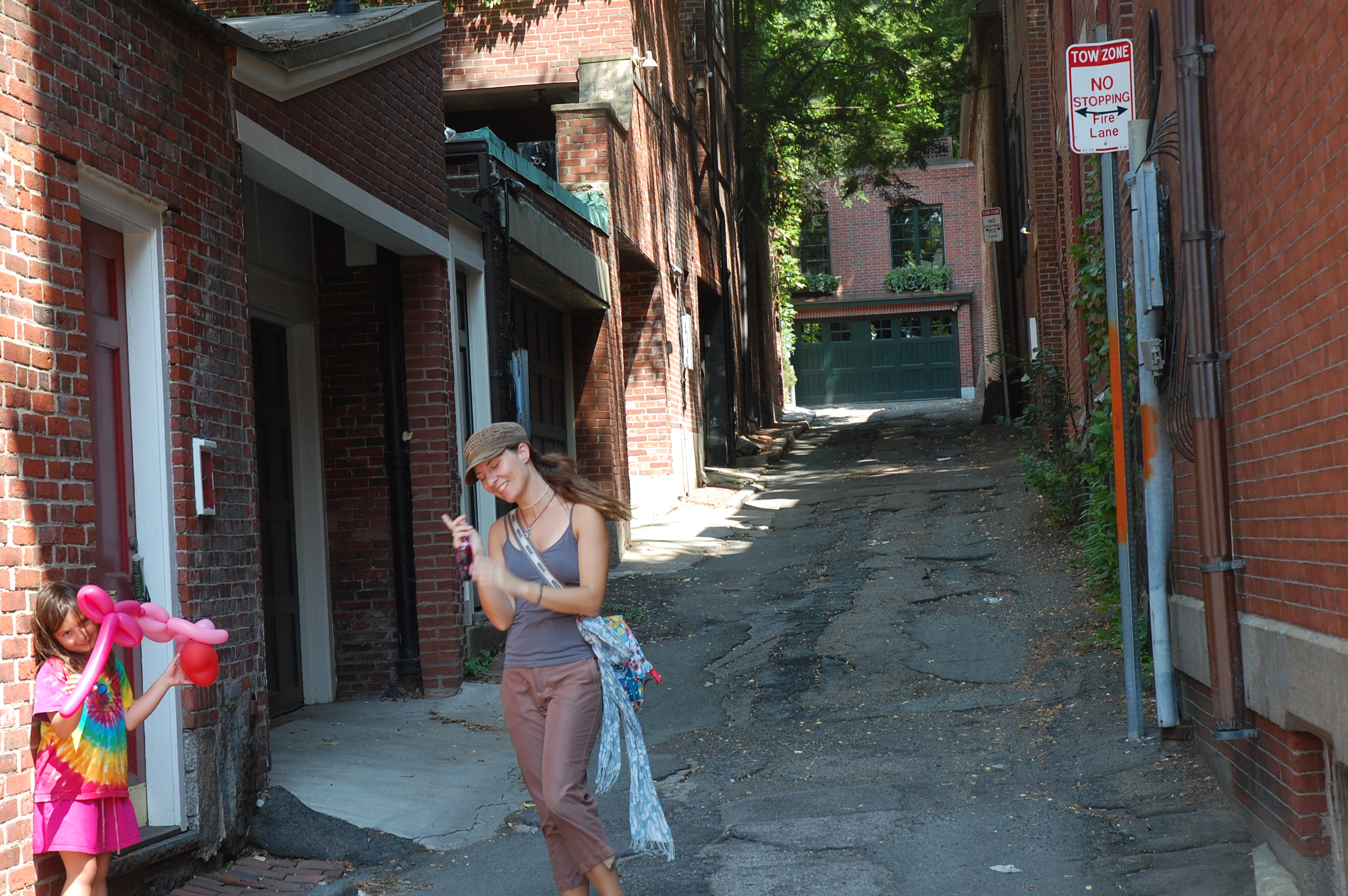
One often overlooked Great City Park is also our nation’s oldest.  Dating back to 1634, Boston Common has been used for first private and then public cattle grazing, a British war camp (in the 1812 War), a nifty place to hang witches, and ultimately as a Frisbee throwing/ softball playing park with a pretty cool water area.  Boston Common does not have the panache of Central Park or the overwhelming, in your face importance of the D.C. Mall.  The weekend summer day we walked around the park had the usual trappings of an urban tourist location; overpriced hot-dogs, balloon makers, and a carousel.  There also were the predictable hemp sweaters and bracelets for sale (and a shifty guy who might have been willing to sell us other hemp products).  But it lacked the frantic pace of other East Coast destinations.  And it was too big and popular to have the charm of the great public green area in Salem, MA.  We enjoyed cooling off at Frog Pond (a fun and very shallow pool filled with kids running and hopping about) and eating our overpriced hotdogs in shade.  And Henna loved the balloon animal that I held while she took a whirl on the carousel.  But the park itself is not as memorable as the city it resides in.

What Boston Common did have was a lot of historical interests ringing the park itself.  A short walk from the Common can take you to Paul Revere and Samuel Adams grave as well as other stops on the Freedom Trail.  The Beacon Hill neighborhood rests on the park’s southern border and makes for a wonderful stroll.  One of my wife’s favorite things to do in Boston is to find JFK’s boyhood home.  I always like to stop at the Cheer’s bar.  And the T can take you to Harvard Square in a matter of minutes (and to be honest we think it is more fun to wander around Harvard than it is the Common).  But we are grateful for Boston and it’s Common.

Great City Parks: Prospect Park, Brooklyn

It is not like no one has ever heard of Prospect Park.  Designed by the same team that brought you Central Park (Olmsted and Vaux), Prospect Park is the more wild, less visited cousin of that more famous park.  Quick, think of one movie or play that references Prospect Park.  Do you remember the guy a couple of years ago who found some film, developed it, and then tracked down the photographer to her home in Paris?  Almost all those photographs were taken in Prospect Park.  Also, a quick Wikipedia search came up with several “notable murders” within the park.  So there you have it, quirky internet stories and murder.  And now this blog article too.

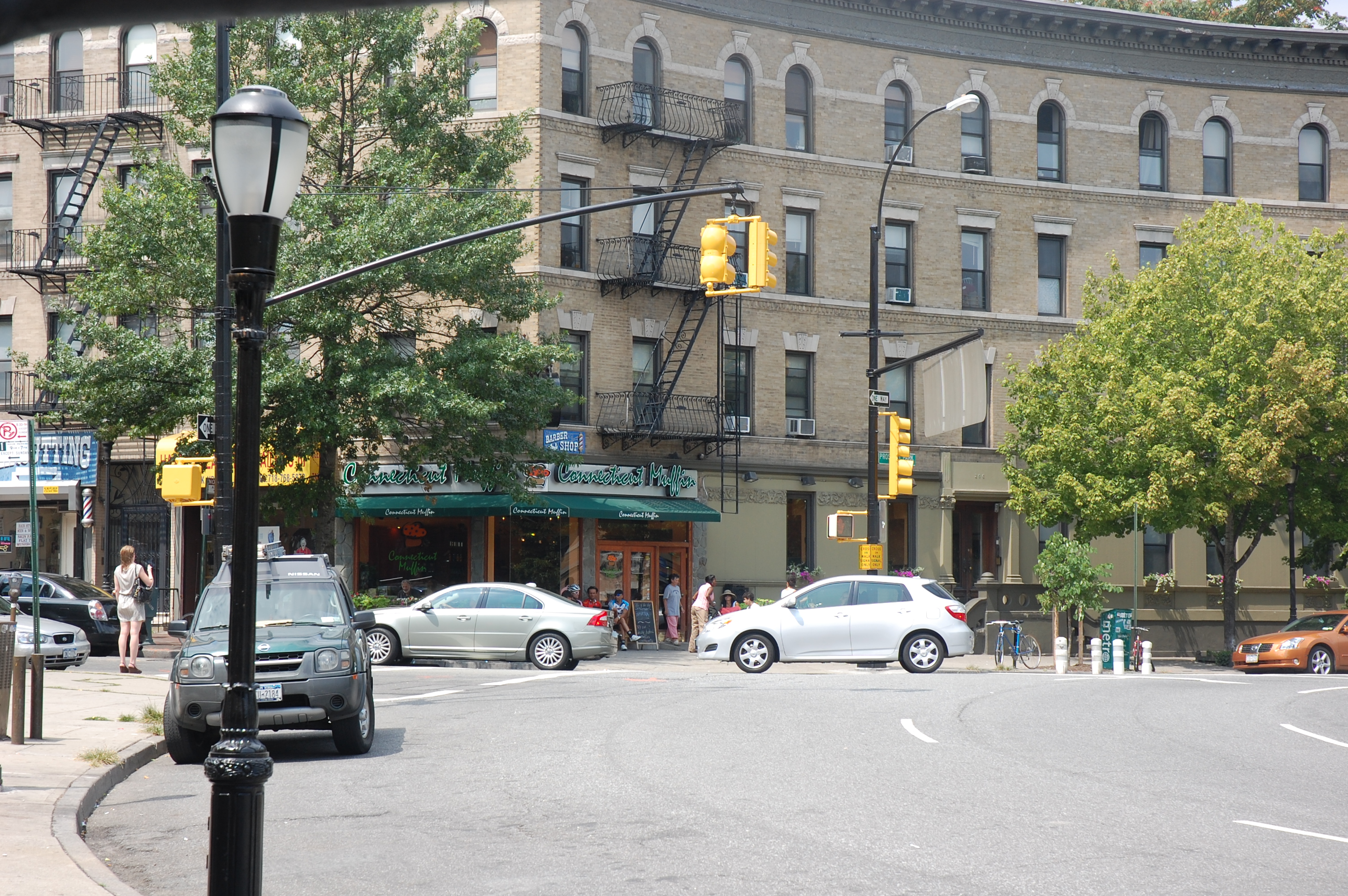
Our experience with Prospect Park flowed from our laid back approach to the Big Apple in the summer of 2010.  After a maddening trip from New Jersey that left us nostalgic for our own Chicago traffic jams, we checked in to a converted basement apartment with a row house above.  The owner of this house was away and the house sitter was a writer from South Africa who let us roam the house at will. We made good use of the washer and dryer on account of her generosity.  She also hinted several times that we were welcome to walk the dog, which we passed on.  For $150/night, at the height of the summer tourist season, we were able to chill in a cool part of Brooklyn.  It was like crashing at a relative’s house with that same relative out of town.  Below grade windows, a blow up bed for Henna, a makeshift kitchen with the smallest fridge I have ever seen, and neighbors out of a Spike Lee film made us feel at home.  It seemed that those neighbors spent our entire visit parked in front of their house commenting on the people passing by.  Each time we said hello they had a new story for us and often referenced their neighbors as if we had a shared history with them.  They were never happier than when giving us directions somewhere (her with a strong Puerto Rican accent, him with animated gestures highlighting the hospital wrist band on his wrist).  It is with pride that I tell you he told me, after watching us cross a busy street with a defiant wave, “I can tell you’re from a city.”

That is the thing about New York and New Yorkers.   I find New Yorkers away from home to be obnoxious.  Not you of course, but other New Yorkers.  You know “them.”  But in New York, New Yorkers are funny, cool, and, always and without any exception, direct.  Several times while Corey, Henna, and I were planning our day on the subway, a stranger would interrupt with something like “You don’t want to go Times Square.  This is what you do….”  I quickly adopted this custom by looking any random stranger in the eye and, without bothering with an “excuse me” or “I’m sorry to interrupt, but” instead simply asking “Where can I get lunch?”  They seemed to respect that kind of thing and always had plenty suggestions to contribute to our day.

Upon first arriving in Brooklyn, after unloading everything of value into our new, small basement apartment, we walked through the neighborhood and stumbled into Prospect Park.  In the twilight Henna found a friend and they chased each other around the monkey bars.  We talked to his mom whose dark complexion and thick French accent intrigued us.  Like many urban park discussions, the topic of conversation was schools.  Remarkably, over the next three days we bumped into this mom and her son several times.  Each time she gave us great tips on neighborhood restaurants.  I think that maybe the reason New Yorkers away from New York are hard to suffer is that they miss the amazing amount and variety of good restaurants that are always a block or two from wherever you are.  The three nights we stayed in Prospect Park we sampled food trucks, devoured sushi and very authentic Mexican food.  The three of us sat outside and watched our waiter jump from the curb back into the outdoor café area each time he sensed a customer in need.  It was like being served by a bystander.  We dined after dark and Henna was by no means the only child awake as small children no more than ten skated, cycled, and walked by.  Past eleven, with Henna just asleep, Corey and I were amazed to hear an ice cream truck drive by. 

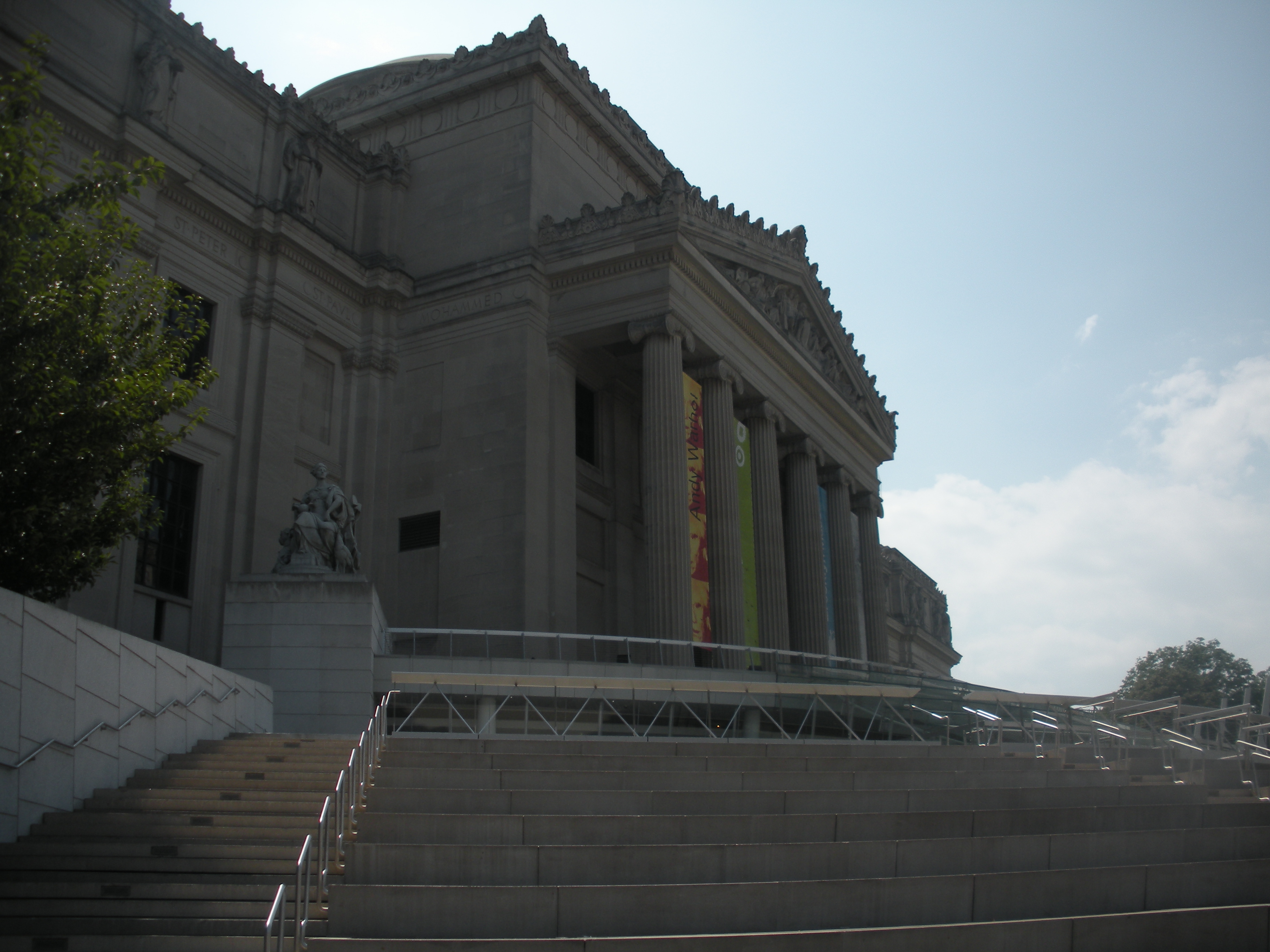
The next day we explored the park and delightfully got lost at every opportunity.  Besides the park itself, which features a wooded area, a medium sized lake with a classically designed boat house (Boathouse on the Lullwater), and plenty of open spaces, the park spills into the Brooklyn Botanical Garden.  For a small fee, one can wander aimlessly among the cultivated gardens and engage in several understated child friendly activities.  The Brooklyn Museum, with its impressive art collection that includes many works by Andy Warhol is also adjacent to the park (we especially enjoyed Andy’s creative use of urine).  Like Prospect Park, the museum has an unhurried and laid back feel that is quiet in contrast to the over visited island of Manhattan.  We also spent quality time reading and people watching at the Brooklyn Library.

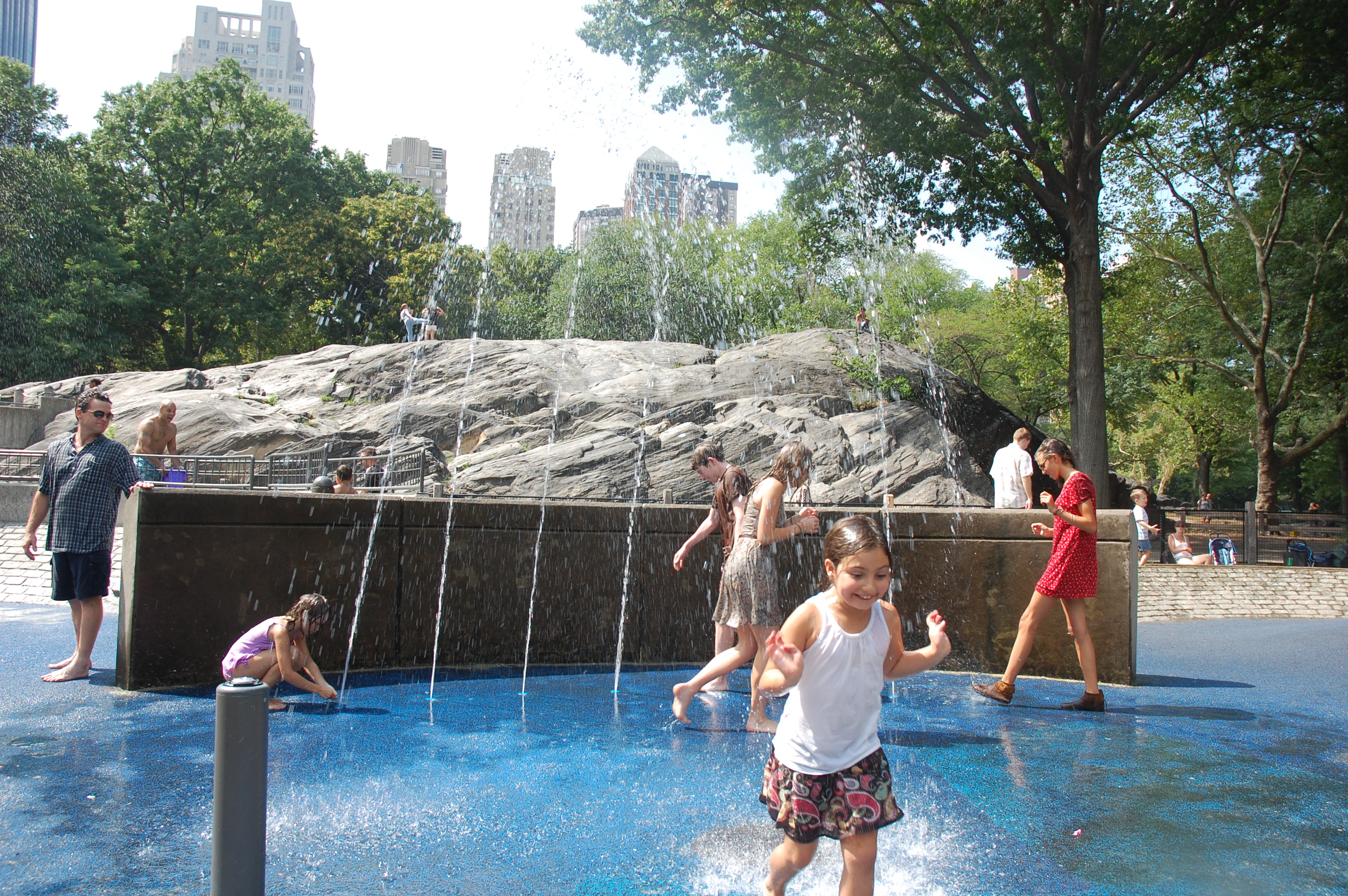
Lest you think we are Central Park haters, we love that park too.  On a very hot day we enjoyed cooling off in the water fountains and it warmed my heart to see people from all over the world fighting for bench space.  My favorite moment there was throwing a water balloon at Corey.  When she furiously looked at me I pointed at the Russian tourist to my right who immediately denied this with a panicked   “nyet!”

Great City Parks: Stanley Park, Vancouver

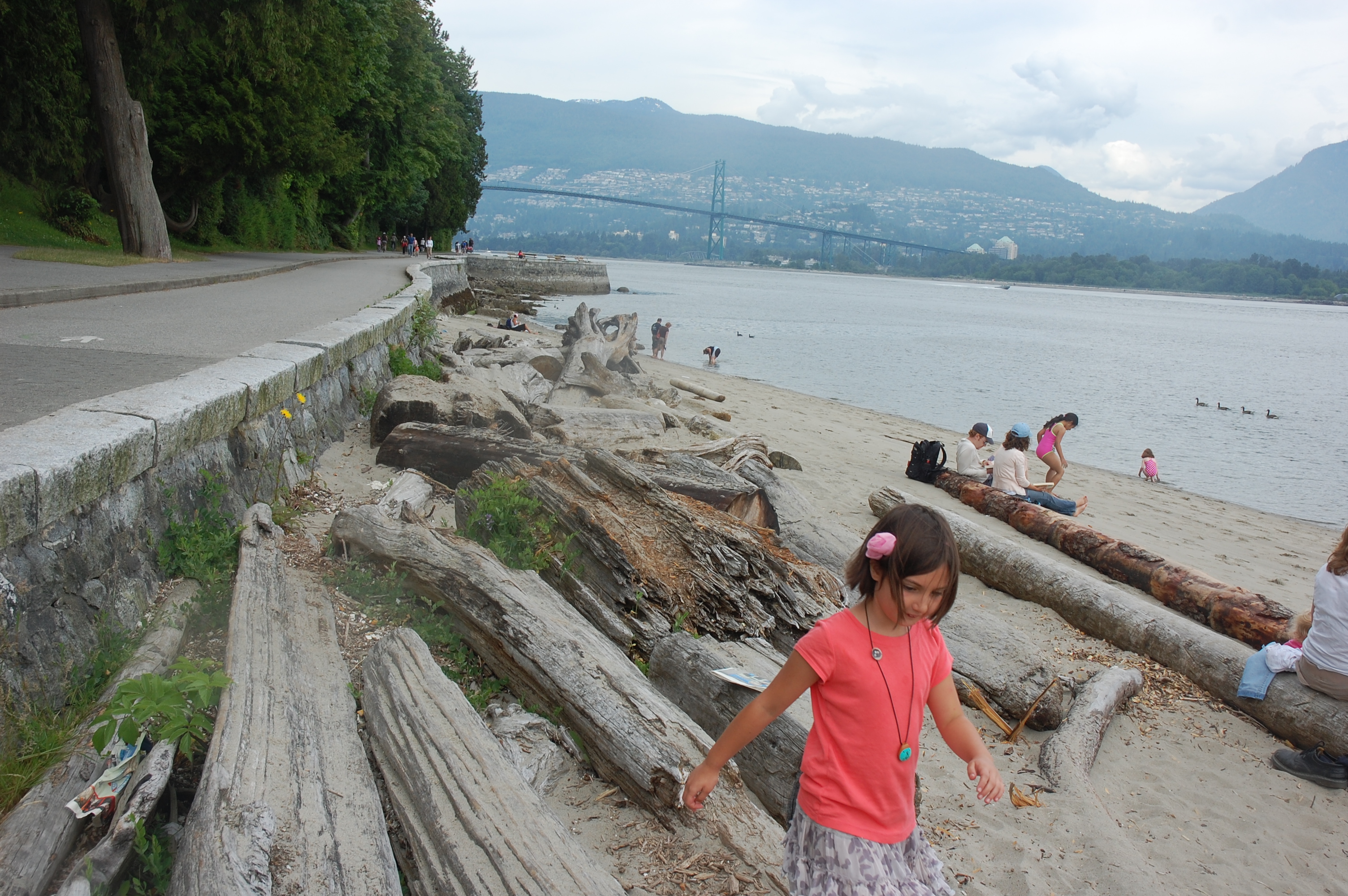
Our ride into Vancouver contrasted well with the majesty of Stanley Park.  After waking up in Surrey, B.C. we asked the teenagers at the Holiday Inn Express the best route into the city.  They suggested going west on Hastings Street.  This path into the city was gritty and bad ass and felt more Miami Vice than Northern Exposure.  After weeks of being in gentle and kind Canada, the shirtless man being hauled away by the police and the menacing youths looked all so … American.   As we got closer to the park the scenery changed into high end cafes, local coffee shops, and hipsters out for a stroll.  We stopped several times to ask directions (we hardly ever ask directions once due to Corey and I being incapable of processing more than a few sentences of any direction related paragraph spoken to us).

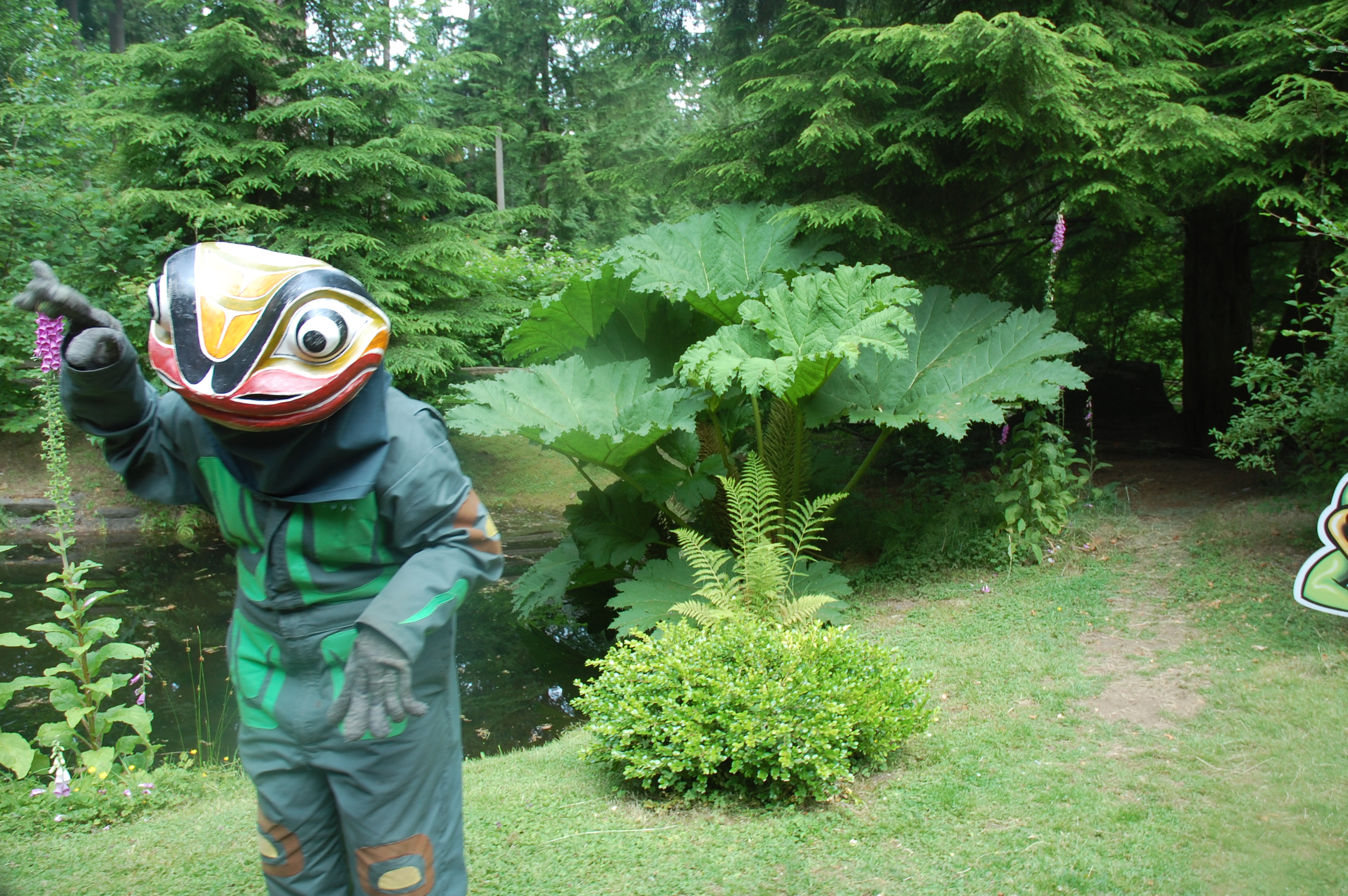
Stanley Park is beautiful and even more so when you realize that it is set in a world class city full of bustle and industry.  Within the sanctified air of dense evergreens it easy to forget the millions living nearby but out of sight.  But the park still has its quirks.  For one, the famed miniature train is set in an “Aboriginal Village” that charges you admission to enter.  That would be OK if the village offered genuine insight into aboriginal life, but apart from some dancing and story telling that felt more like preaching, the village mostly consisted of shops and overpriced coffee.  The train ride was cool, but this was another fee paid on top of what it cost to enter the village.  However, the ride featured an inspired Aboriginal story that incorporated costumed dancers acting out scenes as the train passed by and made me forget the $30+ (village fee and train) the short trip cost.

The park is hard to get a handle on the first time out and we did what most people do; drive from parking lot to parking lot.  Locals and smarter tourists than us whizzed by on bikes as we parked next to over packed tour busses.  We did do some light hiking in the Cathedral Forest (with me realizing that our family was both completely alone and within a few blocks of seedy Hastings Street).  We also admired cargo and cruise ships docked near a beach within the park. 

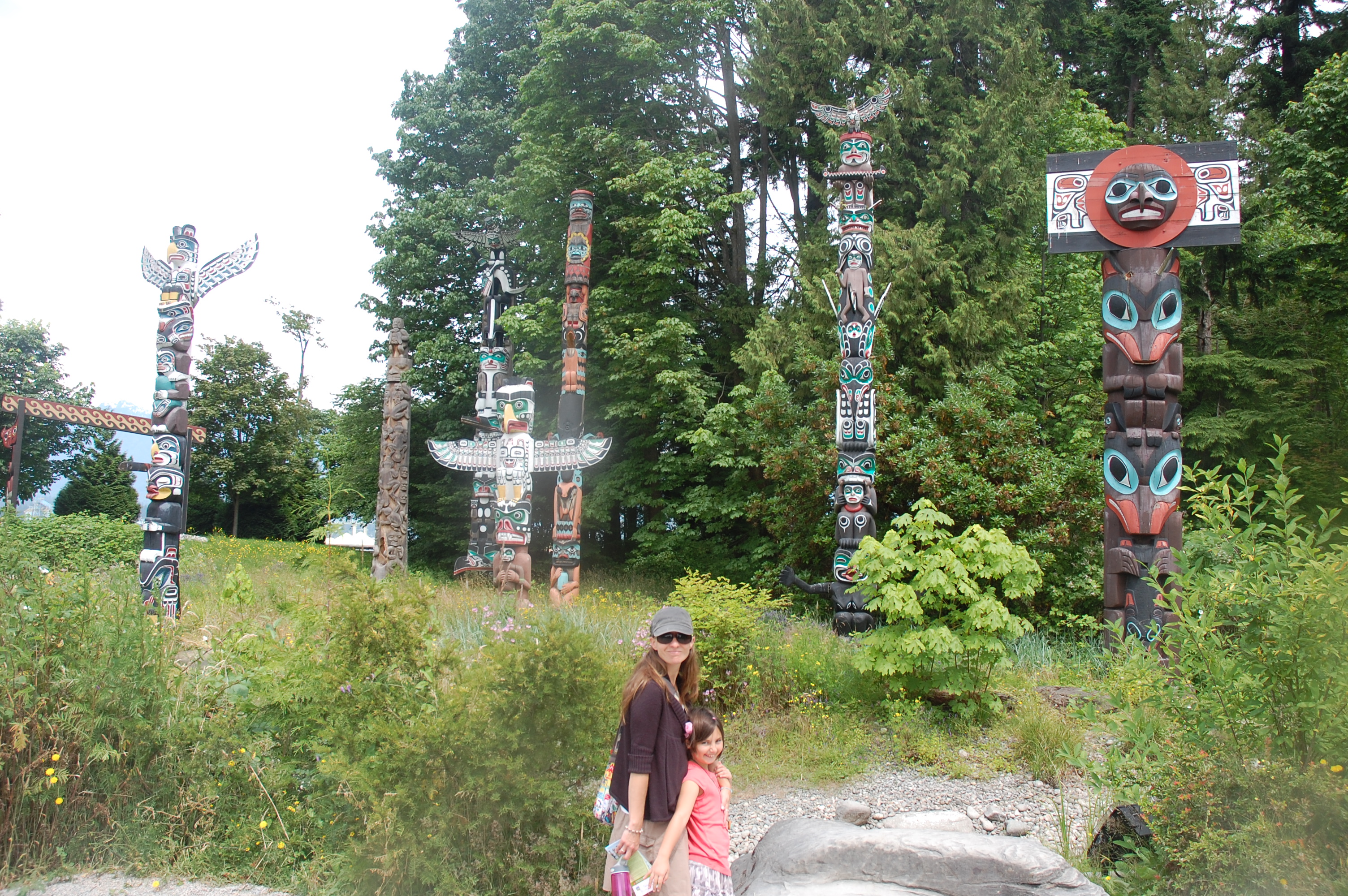
Reminiscing about Stanley Park is putting me in a comparing type of mood; Central Park vs. Stanley Park (I think Henna and I would choose Stanley, Corey always goes with NY), Stanley Park vs. Prospect Park (I call that one a tie), Central Park vs. Prospect Park (Prospect Park going away) and that great big rose garden park in Portland vs. Stanley Park (I go with Stanley Park because of the beach and totem poles).  There are so many great city parks out there with each one a reflection of its host city.  Please, tell us about your favorite city parks.  Hennacornoeli minds want to know.

French Hieroglyphics

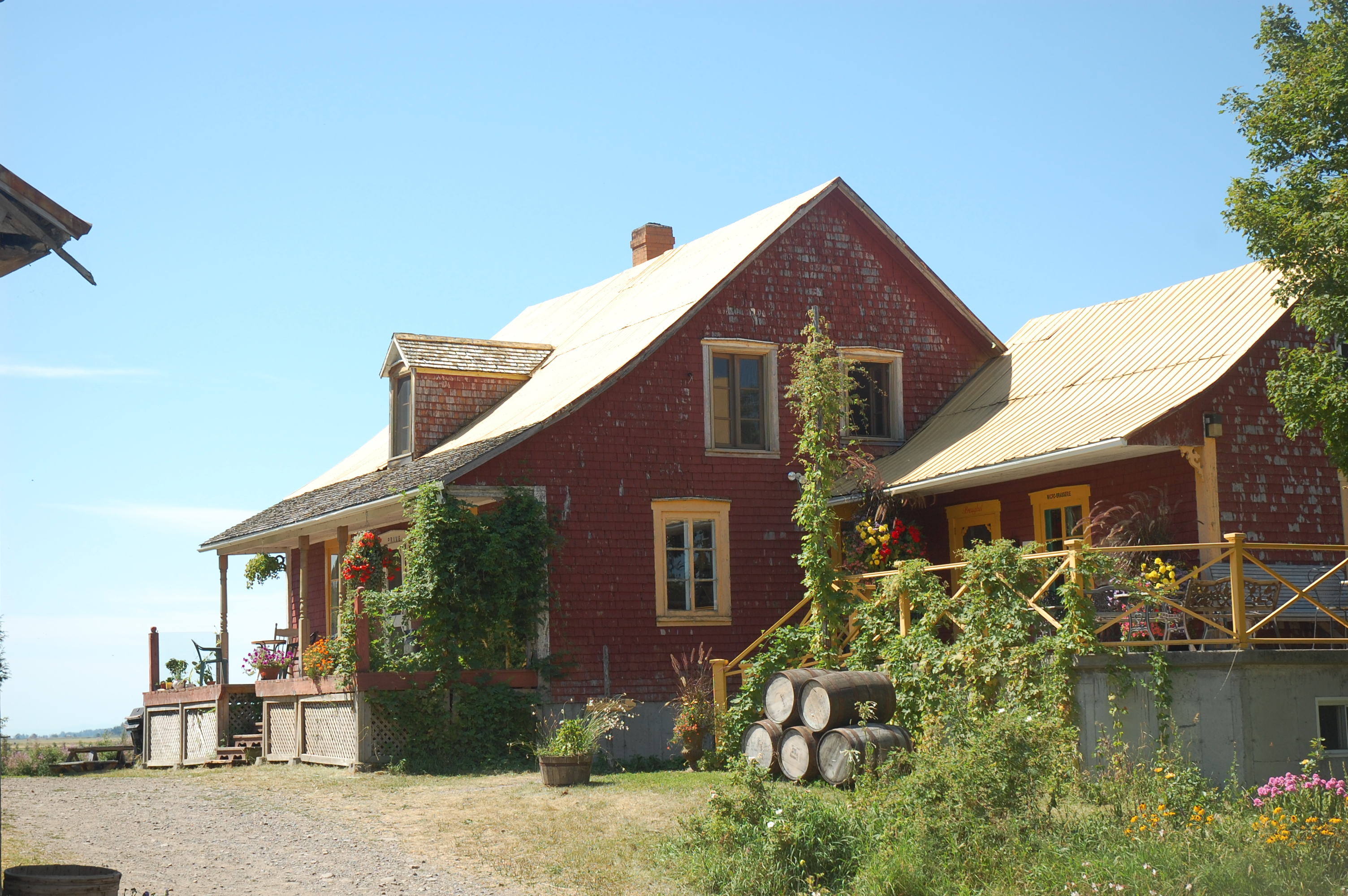
In the end it was the hieroglyphics that nearly got me killed.  I left Corey and Henna for a few seconds to follow a windy trail up a hill.  This trail twisted over and over again like a corkscrew.  Not knowing what was around the next bend, the cemetery (or “cemetiere” as the sign below suggested) felt like it was always just slightly out of reach.  Each turn instead presented more and more junk, each piece more fascinating than the next.  There were old refrigerators, bits of a 1950s era truck, and a rotting wooden cart to name just a few of the discarded relics.  I would have gladly stayed on that trail, reached the lonely grave, and then turned back down to the lovely beer garden where my wife and daughter waited.  But I came across a small wooden sign, seemingly staked into stone.  The sign had an etched picture of a bird and arrow pointing up.  I left the trail to follow the bird and this led to a rope which I used to pull myself to a killer view of the St. Lawrence River.  From my vantage point I saw a string of Quebec farms pressed close to the river and across the river there was endless forest.  I paused, thought my family would be jealous, and descended from the rocks to the trail.  But rough trails up rocky hillsides are difficult to duplicate and I ended on the trail away from where I started.  There was a lone grave and more signs, but instead of pictures they offered French words.  Confused I started one way, but then thought better of it and went a different route.  There was a sign with the word “Riviere de la Ferme” and I thought maybe that was the name of the farm/ microbrewery I wanted to return to.  So I walked in the suggested direction and soon ran out of path.  In front of me was a small, buggy stream.  Somehow I had lost the trail itself and I found myself standing alone in a small cluster of woods.  I bravely panicked.  Just then I heard two voices:  An annoyed “Noel” and a sweeter “daddy.”  I called out to them and they repeated my name(s) in unison.  Their voices louder, I stumbled out of the forest and hugged my daughter excitedly.  My wife took my arm, said “let’s go,” and pulled me down the path.

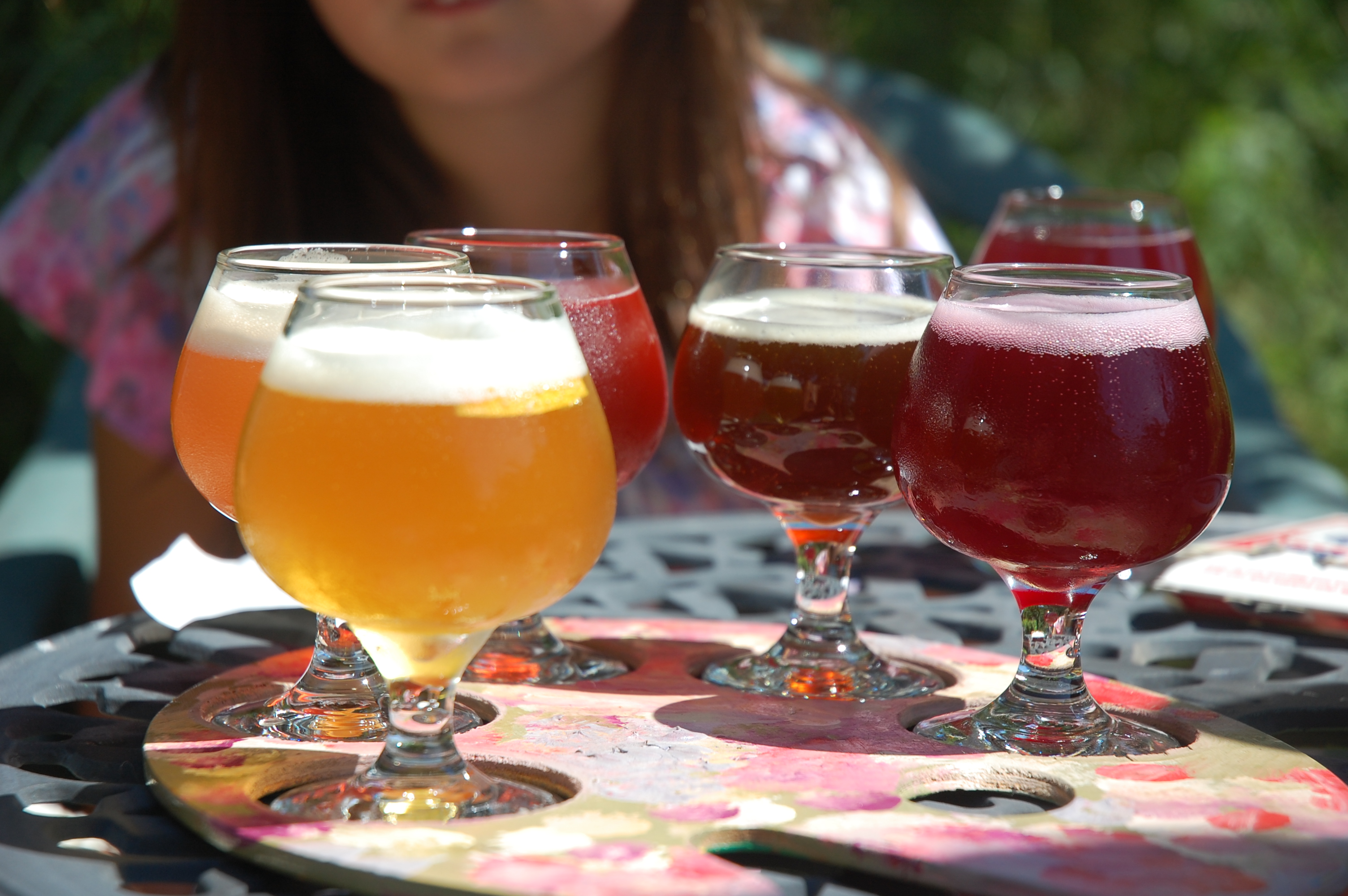
I never learned the name of that farm/ microbrewery.  The proprietor was courteous but tough.  She also spoke some English, enough, anyways, to let me know that a few American tourists wander in each week.  There was also a very young and pretty waitress who flitted around the groups of people without ever making eye contact.  She did not speak any English and had to pantomime certain items on the menu to us.  The home brewed beer was interesting for its use of wine grapes.  This made for colorful but, to me anyways, lousy tasting drinks.  There were also lots of chickens, roosters, sheep, and other barn yard animals wandering around.  Adjacent to a pond, where ducks swam, was a stone table with old men playing chess.  A group of cyclists were also there.  Their English was also very limited, just enough to say hello and smile.  That was not too surprising.  Two years past we had visited Montreal and Quebec City and found most of the people more than willing to converse with English speaking customers.  But even just outside those big cities, it was often nearly impossible to get directions (which we need often) or order at a restaurant.  Street signs, which are in both English and French everywhere else in Canada, are only in French in Quebec.  French Canada has every right of course to protect their heritage, but I often think the symbol of French Canada should be a man wearing a beret shooting his self in the foot.  Besides tourism, think of all those things made in eastern Canada that could be sold south.  Knowing the language would aid that process.

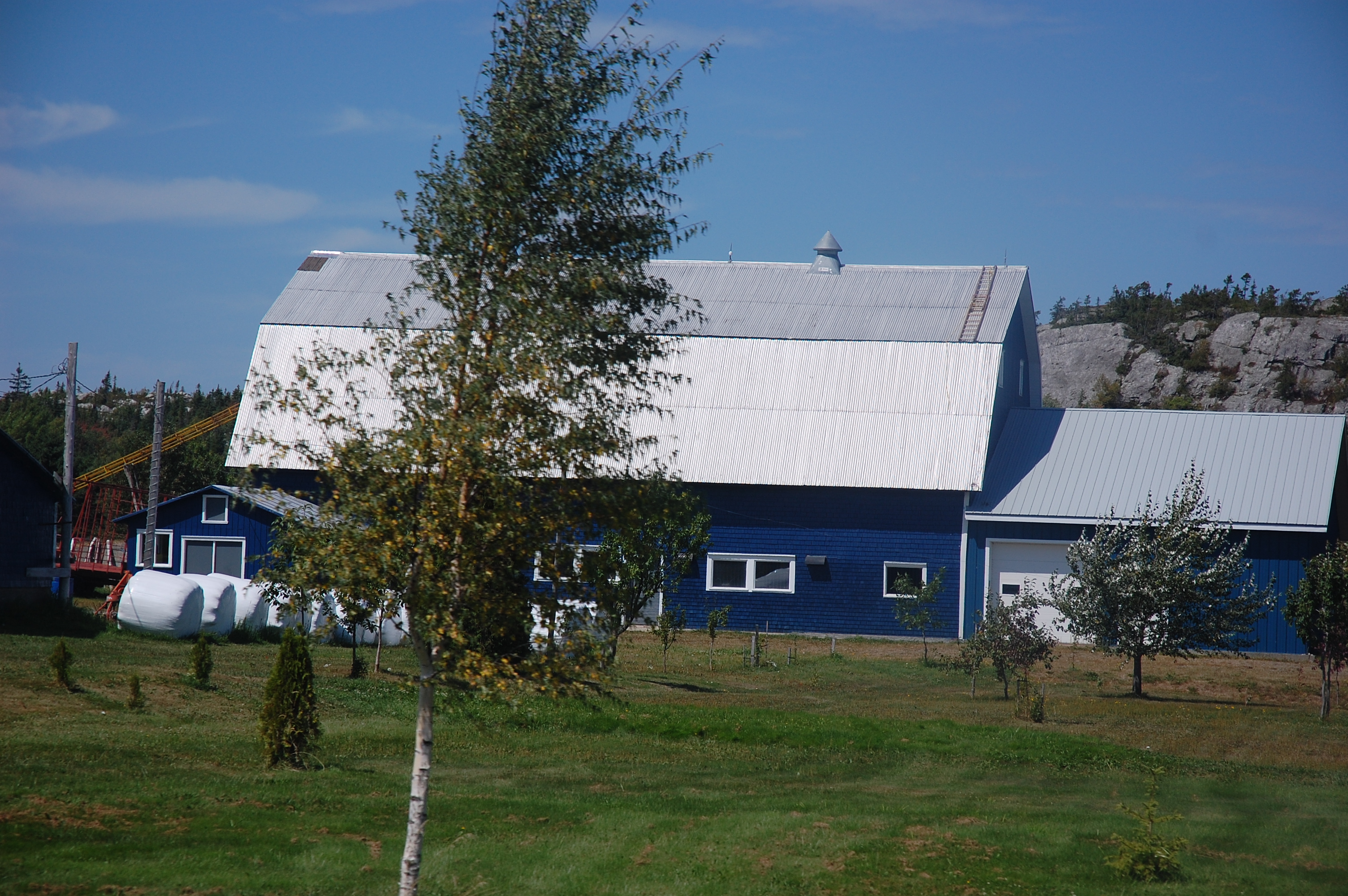
The first thing that strikes you about the farms along the St. Lawrence River is their coloring.  Who needs red when you can color a barn blue, green, or yellow?  After cutting through a good swath of New Brunswick (and traveling on more than a few interior gravel roads) we welcomed the calming blue water, bright colors, and the frequent small attractions along our western route to Quebec.  Everywhere there were small campgrounds, charming cafes, and little towns filled with vacationers reading, playing, or drinking a beer among friends.  Not speaking French made these scenes out of reach, more than a simple difference in language could account for.  For example, while camping in Edmunston, NB (a few kilometers away from Quebec province) we noticed passing tourists smiling at us and then looking away when we returned there greeting with a “hello.”  French Canadians, like all Canadians, are some of the nicest, most articulate people I have ever met.  But in Quebec there seemed an automatic suspicion of all things un-French. 

No matter.  We have plans to visit soon, maybe two summers from now.  I have relatives in Montreal and they are the best of the best in terms of hospitality and conversation.  We will play Scrabble and talk books (I hope) and Henna will play with her younger cousins.  I hope to visit more farms and breweries and I will know not to hike without my support team.  We will also bring a French phrase book.

Living the Rock and Roll Dream

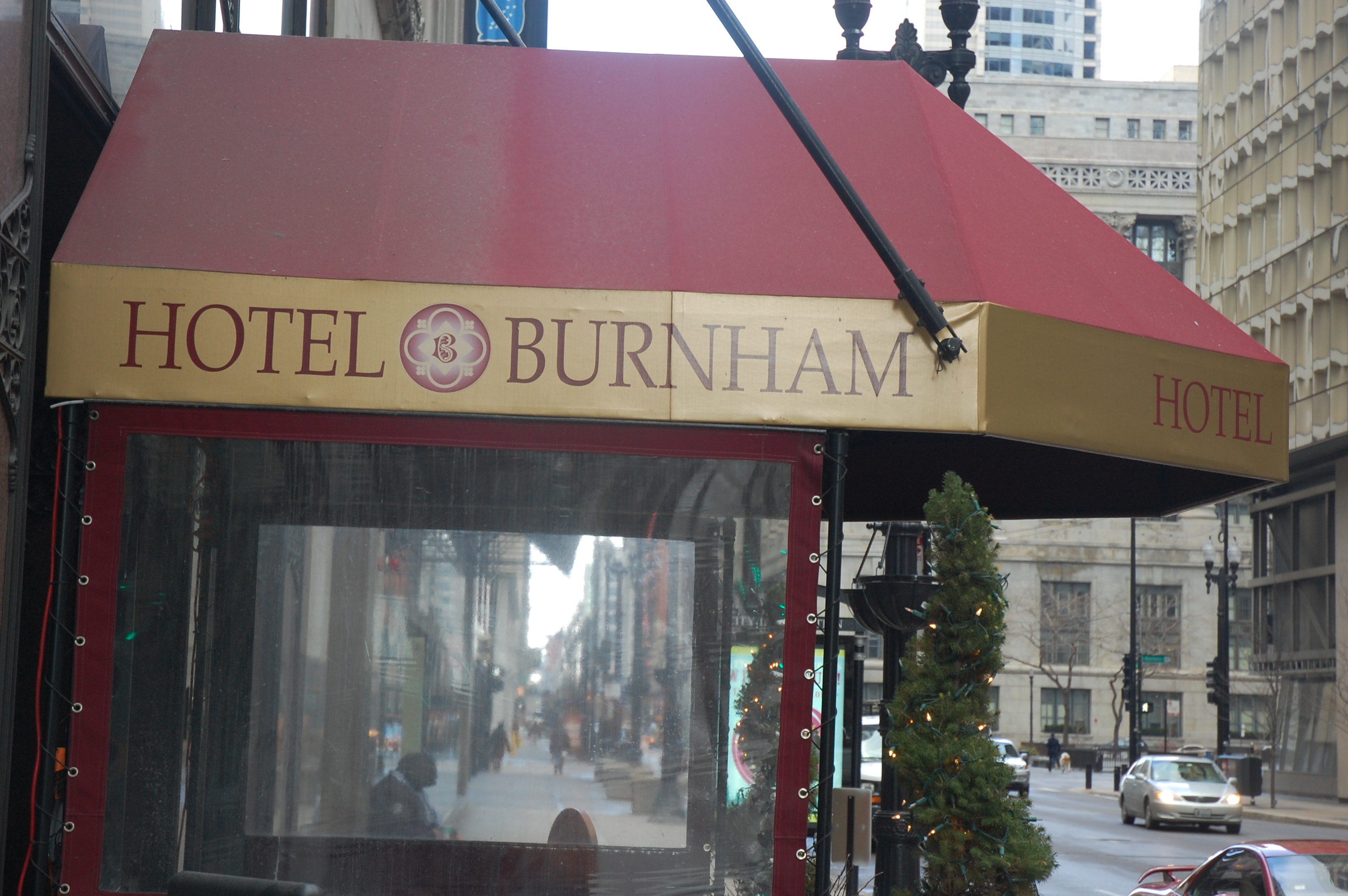
One truth of the road is that the nicer the hotel, the more they nickel and dime you.  Find yourself, say, at the Holiday Inn Express in Ripley, West Virginia (I have found myself there and I have to say there is not much to do in Ripley, West Virginia) and expect free Wifi and a nice continental breakfast in the morning.  Go to the Burnham Hotel in Chicago, as we often do, and you now get Starbucks in the lobby.  But just until 10:30 and no rolls, bagels, or crackers.  The good WiFi will cost you extra and do not expect a mint on your pillow.  This time though they gave us $10 toward the mini bar.  With that voucher, we could have gotten no less than two M and M bags.  Instead we used it toward cocktails ($6 for each mini plastic Beam bottle- we drank it over ice because we did not want to spend $3 for a can of Coke).

One thing I do not get about the Kimpton hotels is the gold fish you can request.  One of our favorite retreats, Rustic Hideaway, used to have a resident gold fish.  Quaint.  And stressful.  “Did we feed it enough?”  Yes we did.  “Did we overfeed it?”  Maybe.  The comment book was filled with fish related fears and concerns.  Every once in awhile a fish died and the guests felt horrible.  By the way, that is exactly what we are looking for in our family vacations.  “Daddy, where do fish go when they die?”  Red Lobster.

At the Kimpton hotels, the fish is at least voluntary.  Which leads me to wonder, are business men   really so lonely that they need a surrogate pet.  I always thought that that is what hookers are for.  Maybe the pet care should not be voluntary?  Maybe part of the Kimpton experience should be that you, the visitor, are responsible for a pet of management’s choosing.  I see dogs, cats, boa constrictors, kangaroos (for their Australian properties) and Moose (Canadian properties) all in storage waiting for the lucky guest to arrive. 

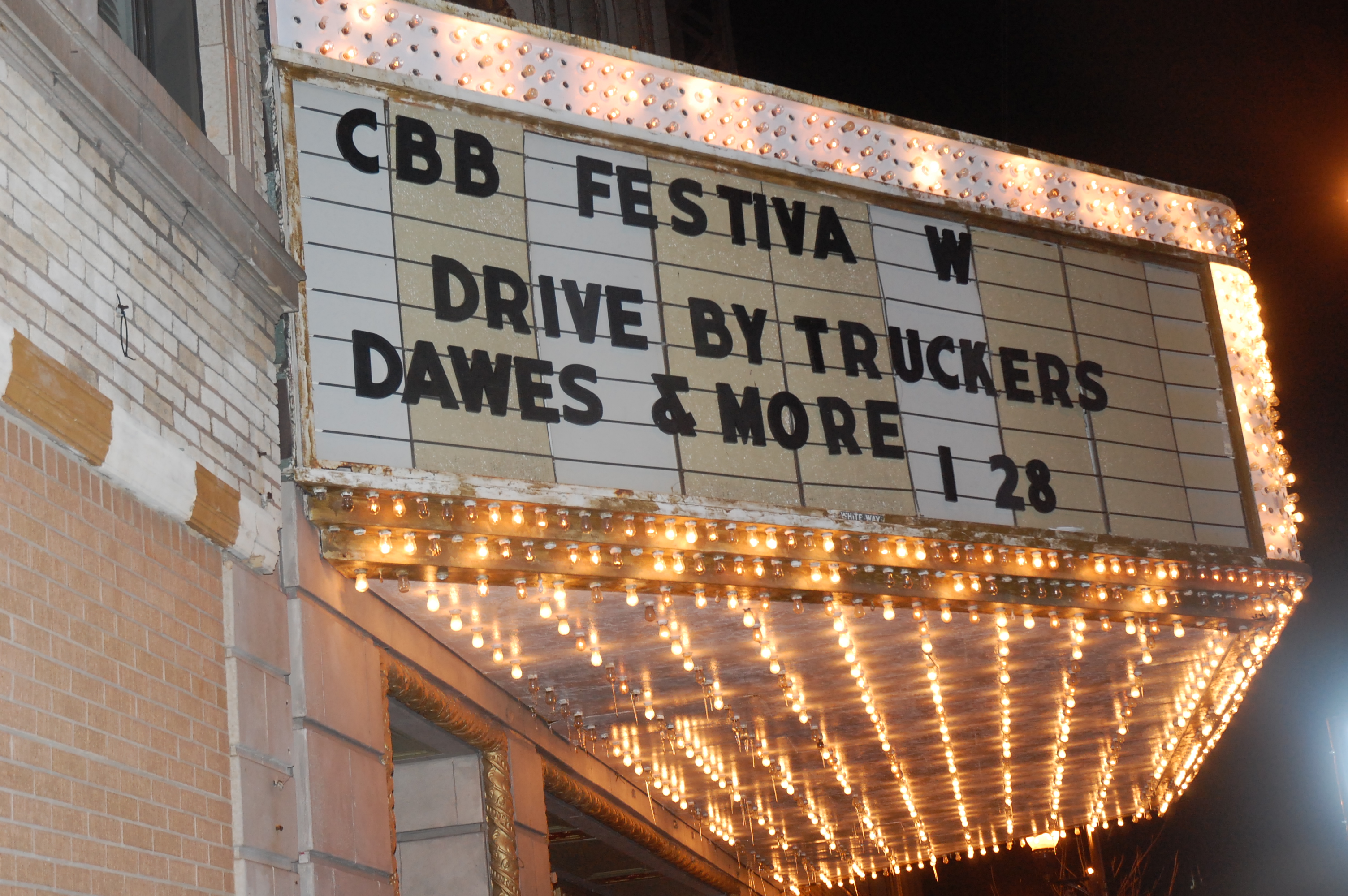
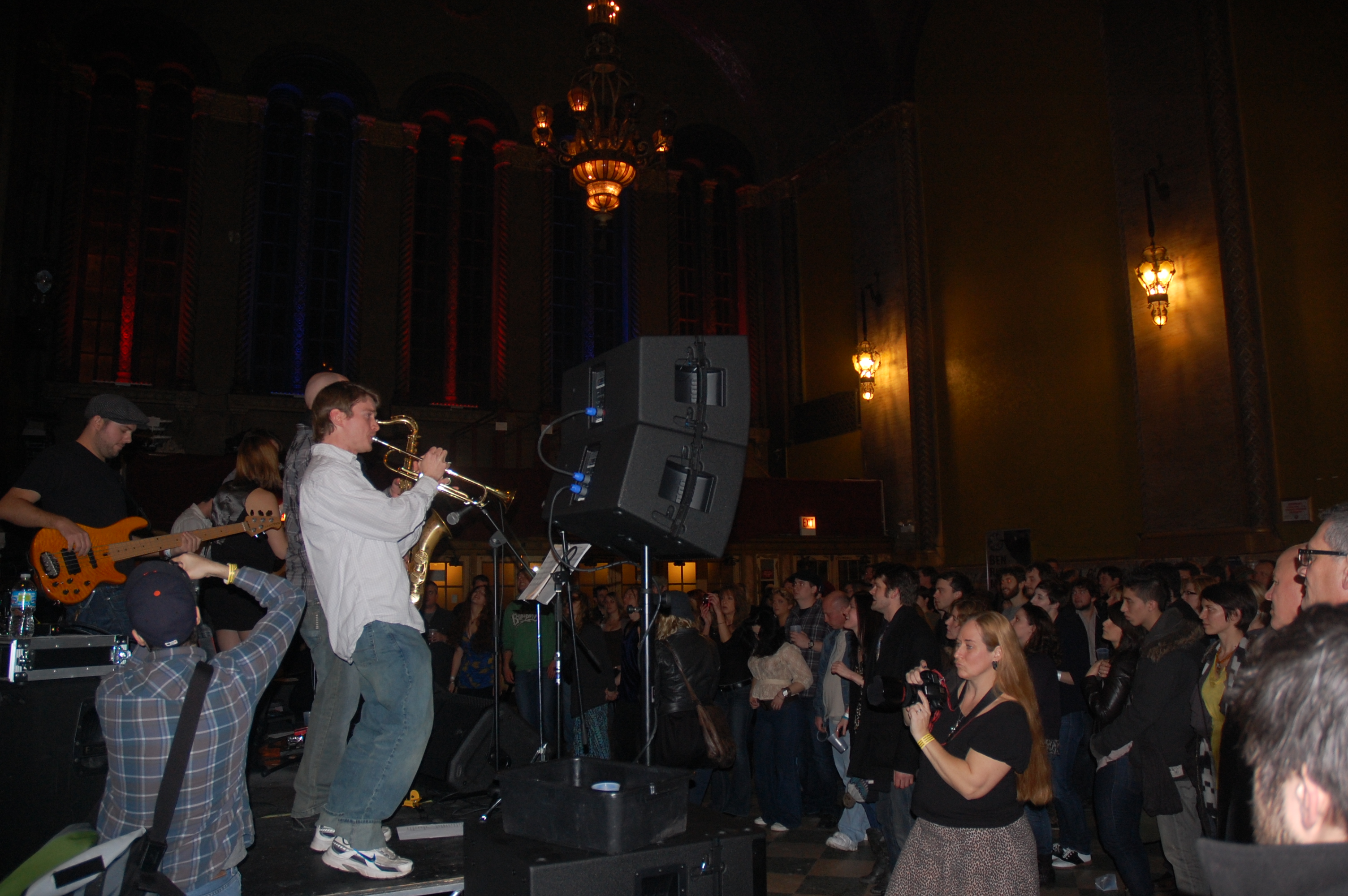
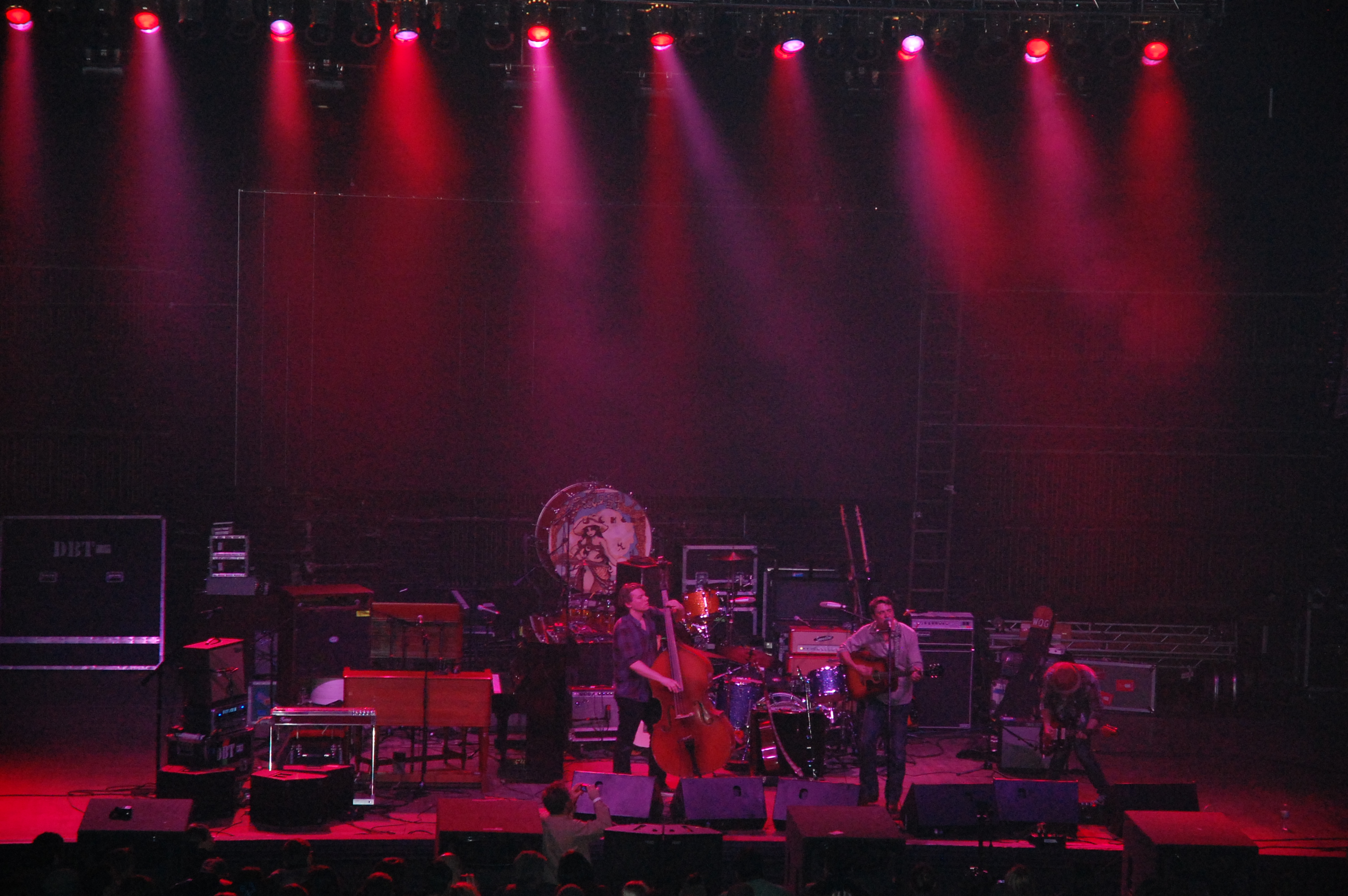
The reason for my stay in downtown Chicago (I live on the northwest side of the same city) was to help me better cover the Chicago Bluegrass and Blues Festival (CBB).  Another good reason is that hotels in Chicago are pretty reasonable in January.   One quick note about the festival; I have seen my share of bluegrass and I have to tell you that bluegrass festival in Kentucky (or anywhere else where the music is played) means something different than it does in Chicago.  For example, in Wyoming, where we once stumbled onto such a festival, it meant homemade quilts sold on the side and large, homeschooled families who do not care much for that Darwin fellow.  The only bluegrass I saw at the festival was being smoked in the bathroom. 

I have only been writing articles for Splash for a short time.  However, I can already tell how organized a place is by the press kit.  My favorite so far was what the Black Ensemble Theater put together.  It was on a flash drive.  They let me keep it.  I was happy.  At the CBB, I was emailed two photos prior to the date.  At the concert, there was a crudely put together sheet listing who was playing and when.  They would not let me have there only copy.  After some negotiating, they gave me an envelope and a pen so that I could scribble down some notes (I’m not always so organized myself; I forget a pen and the little notebook that I carry).  Later my wife had the idea to photograph the list and that is what we used the rest of the night as we texted each other notes. 

The music by the way was very cool.  And loud.  Very loud.  It also went on altogether too late and we left before the headline act got on stage.  And if that is not living like a rock star I do not know what is.

Note:  The link below will take you to my review of the CBB festival: http://www.lasplash.com/publish/Music_107/chicago-bluegrass-and-blues-festival-review.php

Petit Jean State Park, Arkansas

Petit Jean National Park?  Almost.  Stephen Mather, director of the National Parks vetoed the idea when it was presented to him in 1921.  Instead Petit Jean became a state park.  To me it is like a mini national park with cool cabins to rent (along with a lodge and a nice campground), lots and lots of trails, and some quirky stories to discover.  Everything is focused on top of  a 1200 foot mountain which is actually the part of the valley that did not erode (imagine building a sandcastle by digging in the sand and ignoring one area in the center).

The number one highlight of our stay had to be a tornado not touching down on the cabin we were renting.  The spring day was hot and muggy when we got there and cool and crisp when we hiked the next day.  In between a band of tornadoes and thunderstorms with serious hail swept west to east.  We spent the night watching the local meteorologist pulling an all-nighter while we tried to match the Doppler to our Rand McNally map.  The meteorologist was truly heroic as he alternated between highly detailed warnings (if you’re near the DQ by state route 7 and 176 take cover), comfort (Morrilton, it is OK to come out from your basement), and pure rambling (I took this job mostly because my daughter was going to college nearby).  He started mid evening and was going strong in the early morning when we finally were able to get some sleep.  That night he earned his paycheck and I even dare say he acted heroically.  A few weeks after returning home I learned some other people were not as lucky as us.  A tornado touched down on a portion of I40 near Petit Jean and killed several people on the highway.  That spring dozens of people were also killed by tornados and our deepest sympathies go out to those who grieve them.

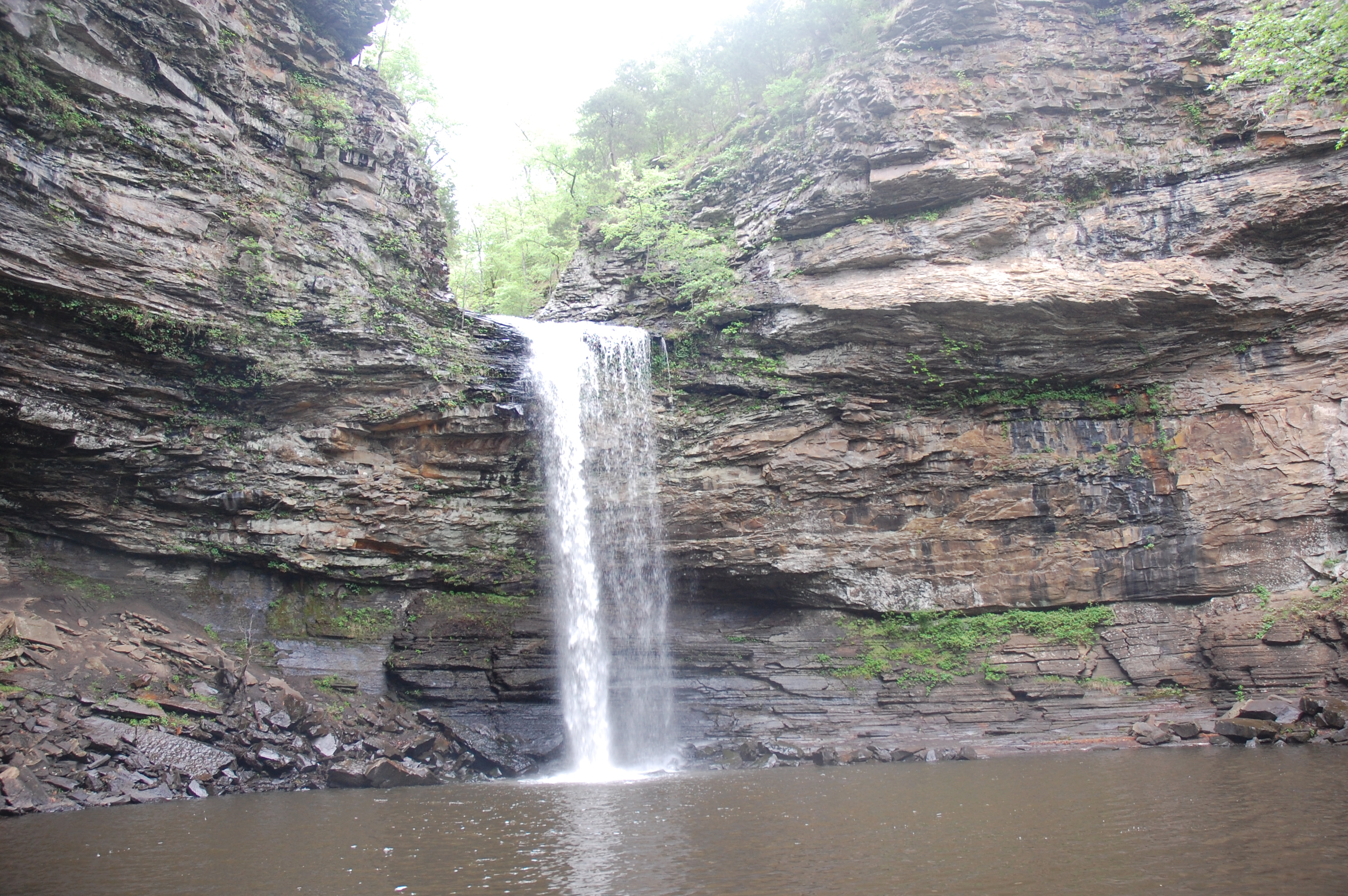
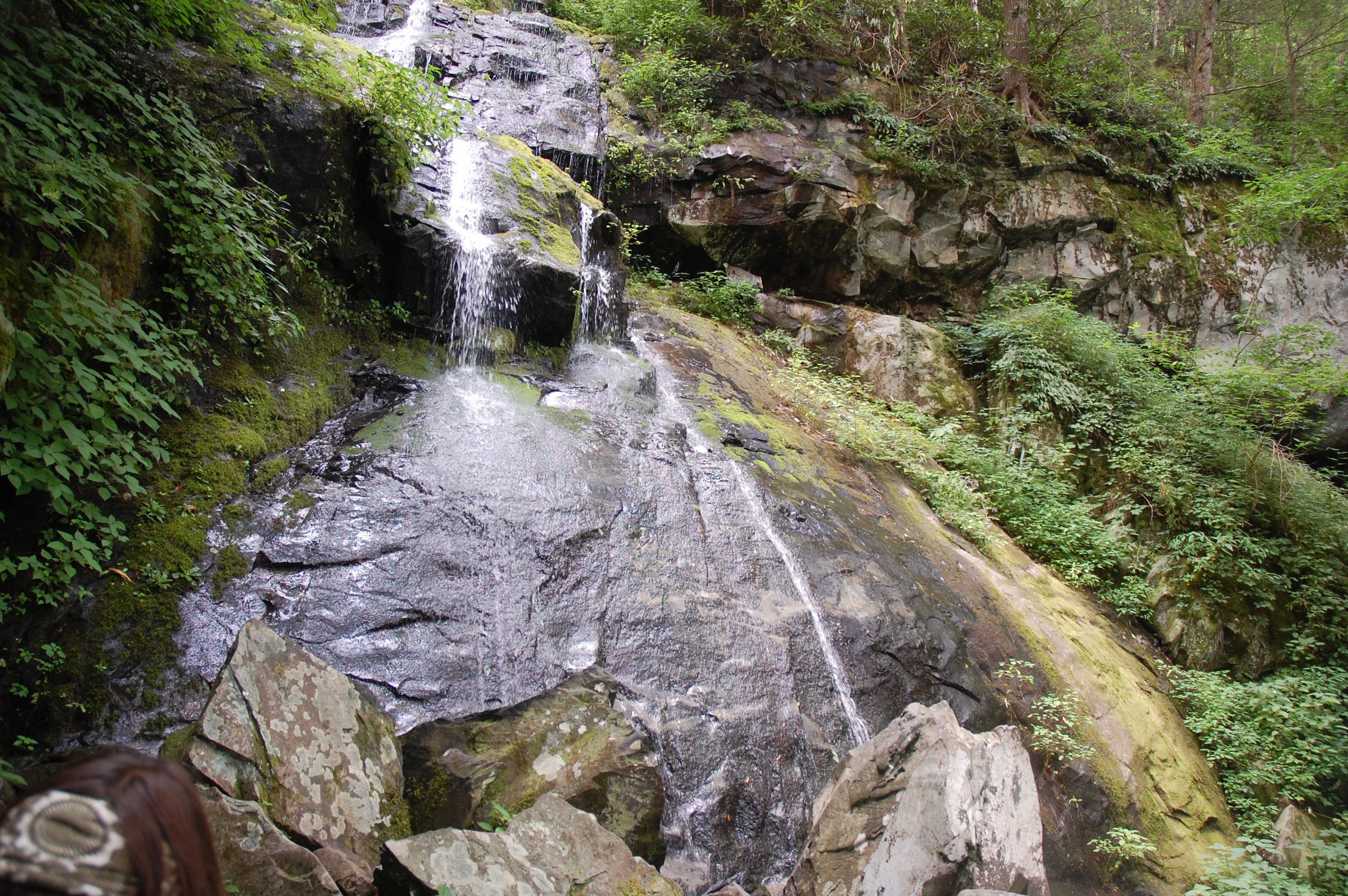
Other highlights of our stay included the beautiful hiking trail that leads to Cedar Falls.  In season I am guessing the trail gets pretty crowded, but we were pretty much on our own.  I have been fortunate to see many waterfalls and can say that no two look exactly alike.  The position of rocks, the angle and height of the drop, the volume of water, and the topography make each waterfall unique.  Cedar Falls, to me, drips evolution and time.  The water cuts deep into the falls lip and you can see how much higher it once was as well as how much lower it will one day be.  Fossils of great trees long since extinct are etched in the rocks and one can sense the ancient reptiles that feasted on those leaves. 

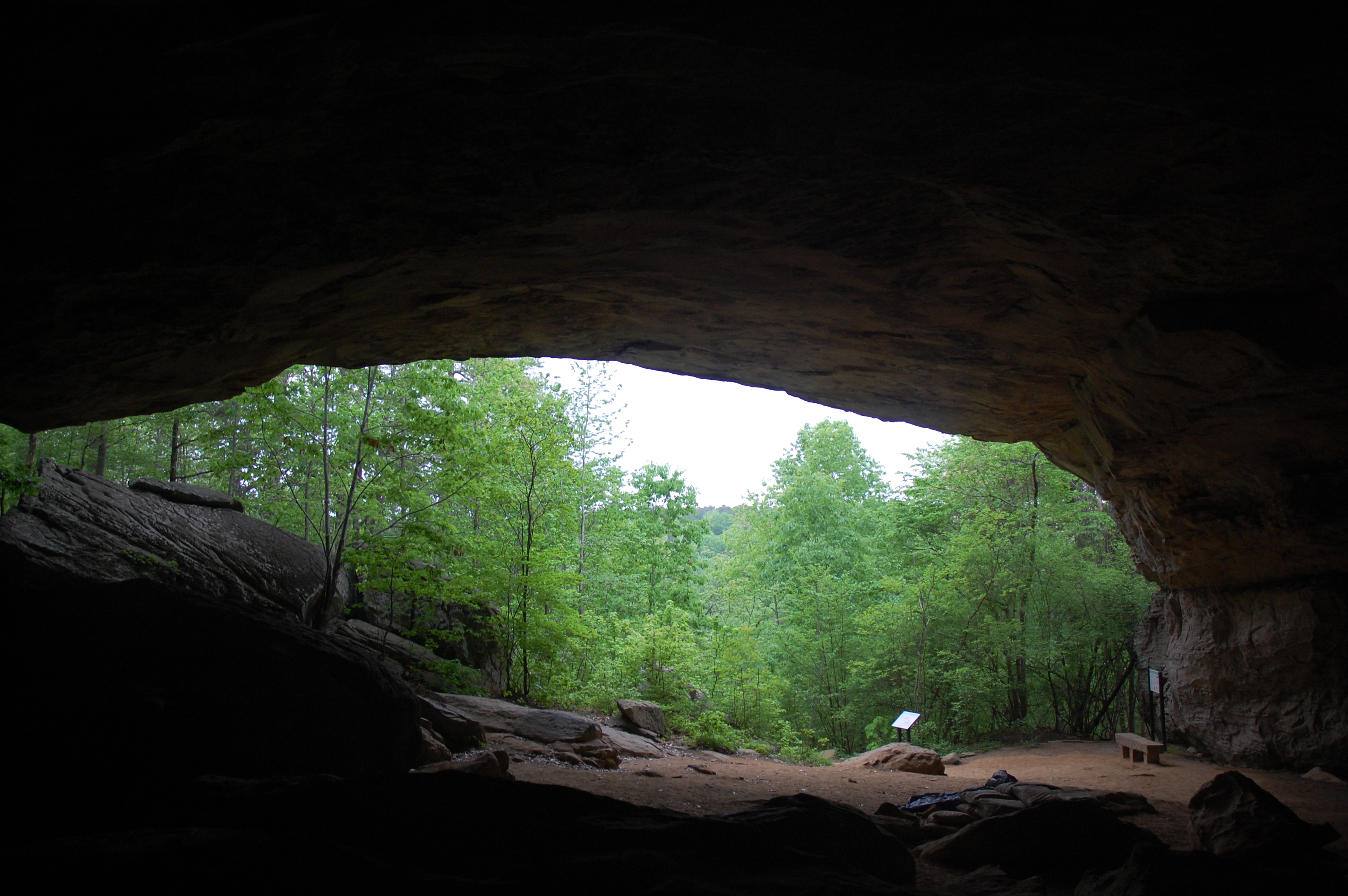
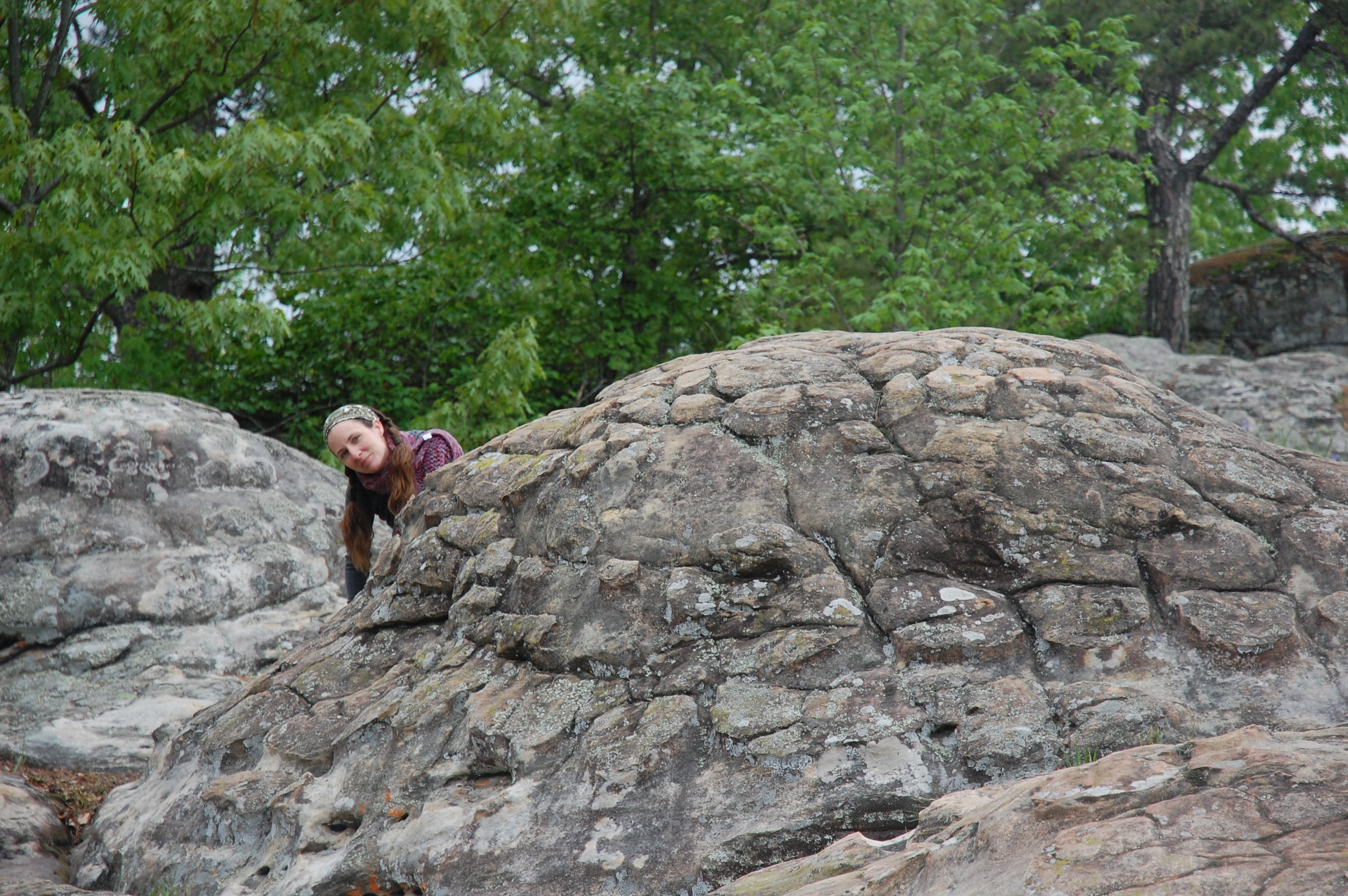
Petit Jean also shows off some of its pre-recorded history in pictographs found in the Rock House Cave.  The trail leading to the cave traverses over “turtle rocks” and we had fun hopping from shell to shell.  There is also a homestead worth exploring that presents the somewhat campy legend of Petit Jean complete with her “grave.” 

Blue Mountain Lake, Adirondacks

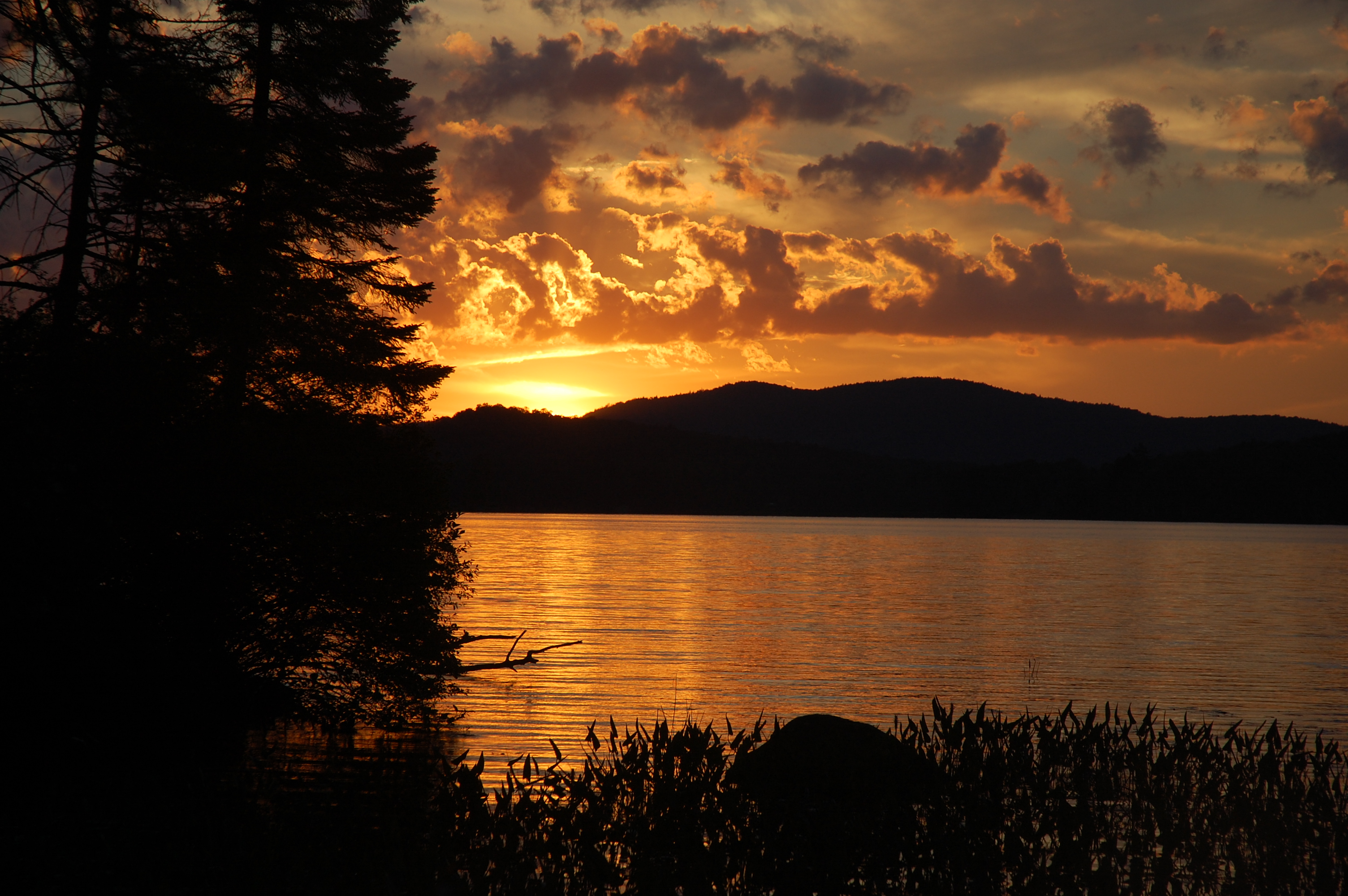
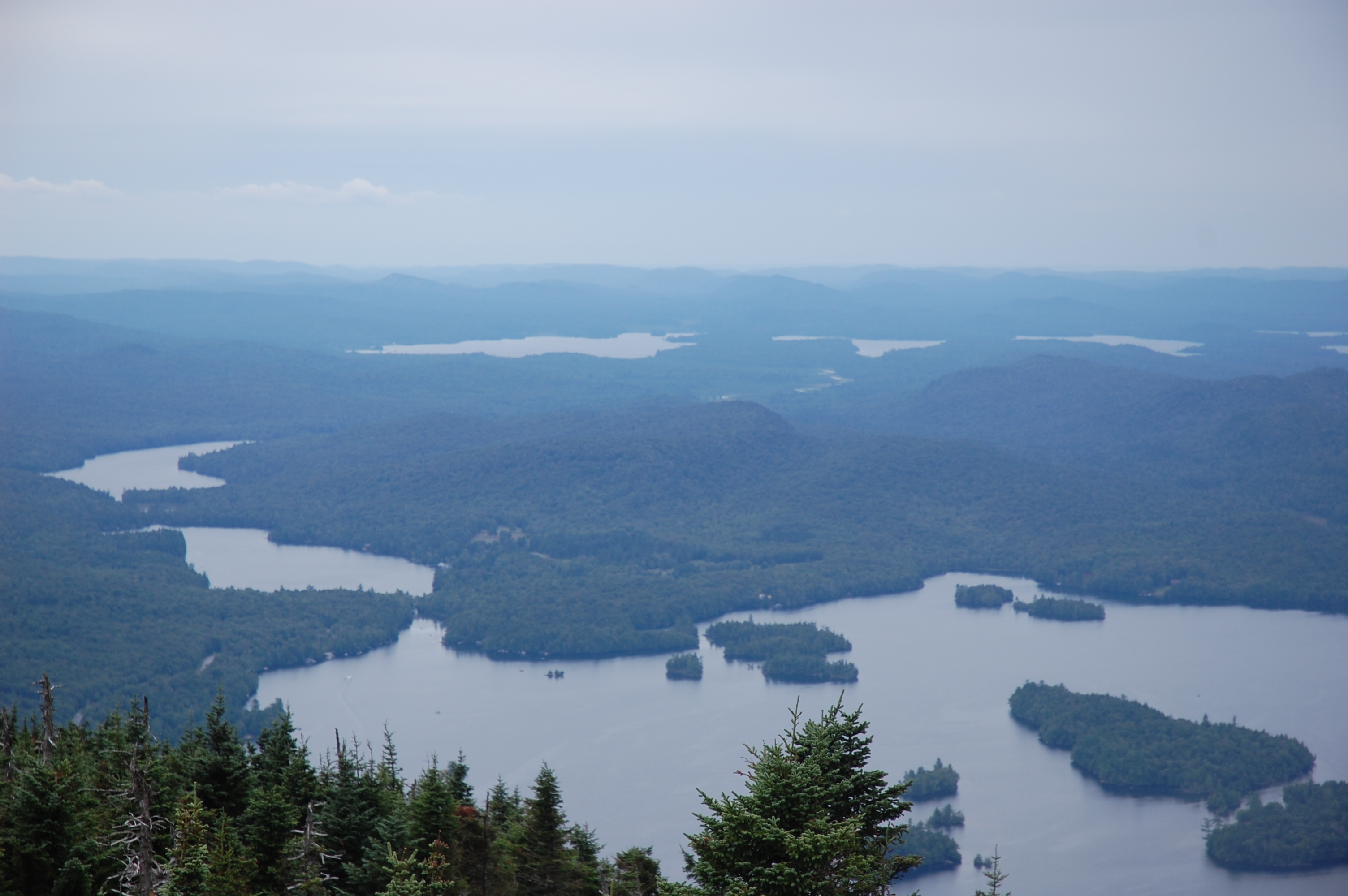
On one of the shortest day of the year it seems fitting that I reminisce about the long days.  Summer to us means adventure; road travels and other.  I especially love finding a place beautiful enough to be popular to the masses, but, for whatever reason, remains a more local treat.  The Blue Mountain Lake region of the Adirondacks is such a place.

The Adirondacks is an interesting world.  It is sometimes a wilderness, sometimes a crowded resort town, and sometimes a quaint getaway.  The road from Utica (28) samples all of that on its slow ascent to the 28/30 intersection.  By the time you have reached the intersection of 28/30 you have shaken off many of the day trippers and resort goers.  The Blue Mountain Lake area to us feels like a small state park tucked into the mountains.  Eating options are decidedly fewer and if you have no groceries you might find yourself, as we did, dining on gas station pizza and potato chips.

Our lodging choice is Lake Durant, a stone throw from Blue Mountain Lake.  Lake Durant has one of the best swimming beaches we know.  Canoes are also available (a canoe truck drives through the camping loop each morning) and fishing is good.  Lake Durant has one camping area with sites on both sides of a gravel road.  Sites are either on the lake or are separated from the lake by the road.  Not surprisingly the lake side sites fill up first.  Several campers indicated that the campground only fills up completely a few summer weekends.  Nearby Blue Mountain Lake is larger and colder (the beach is bigger too but the colder water makes for worse swimming) and also offers canoe rentals.   Many years ago Corey and I took our first canoe trip on this lake.  We also fell into a lake for the first time ever  which led to our first canoe related lesson (how to successfully put a canoe into a lake).   

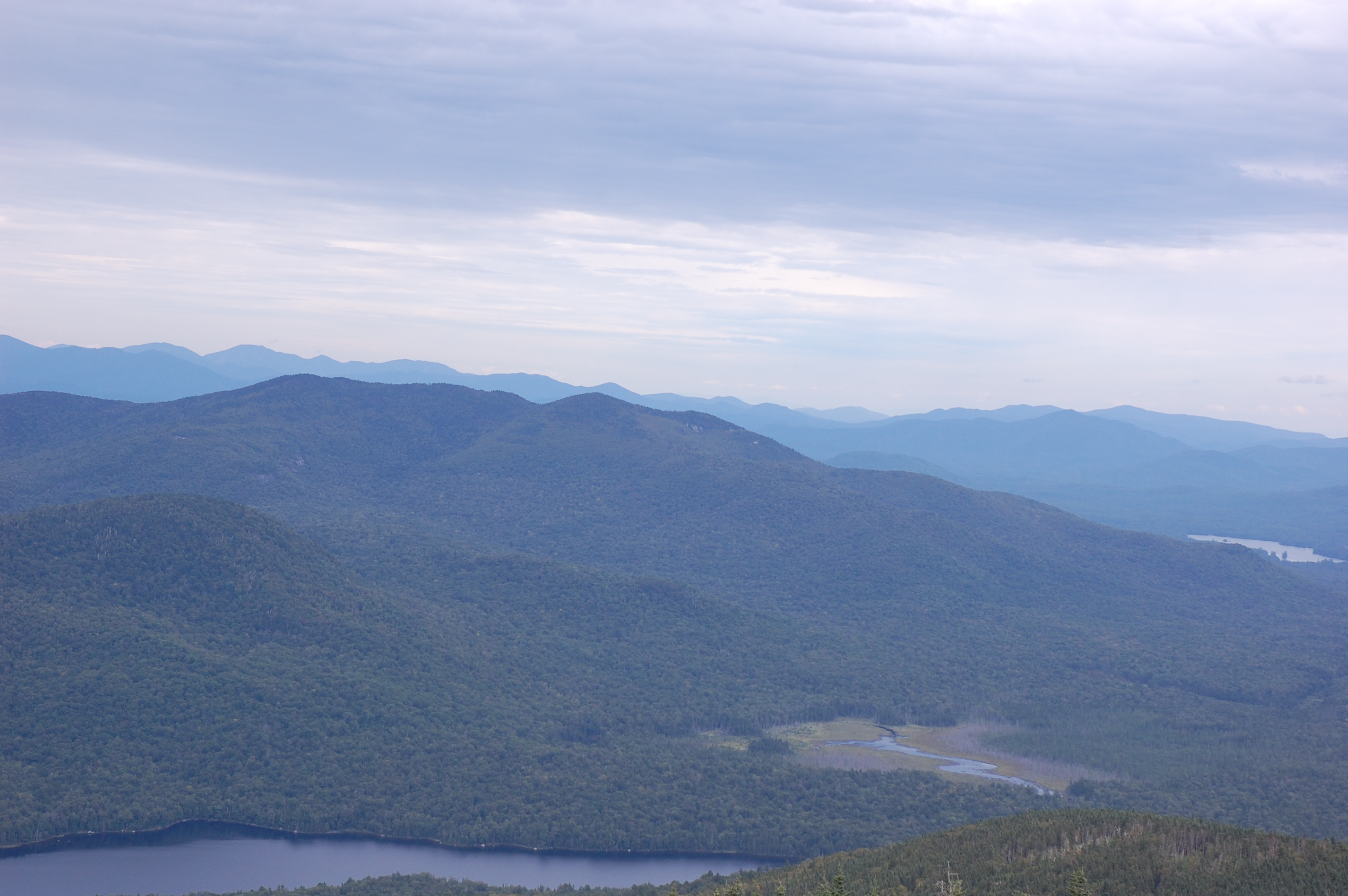
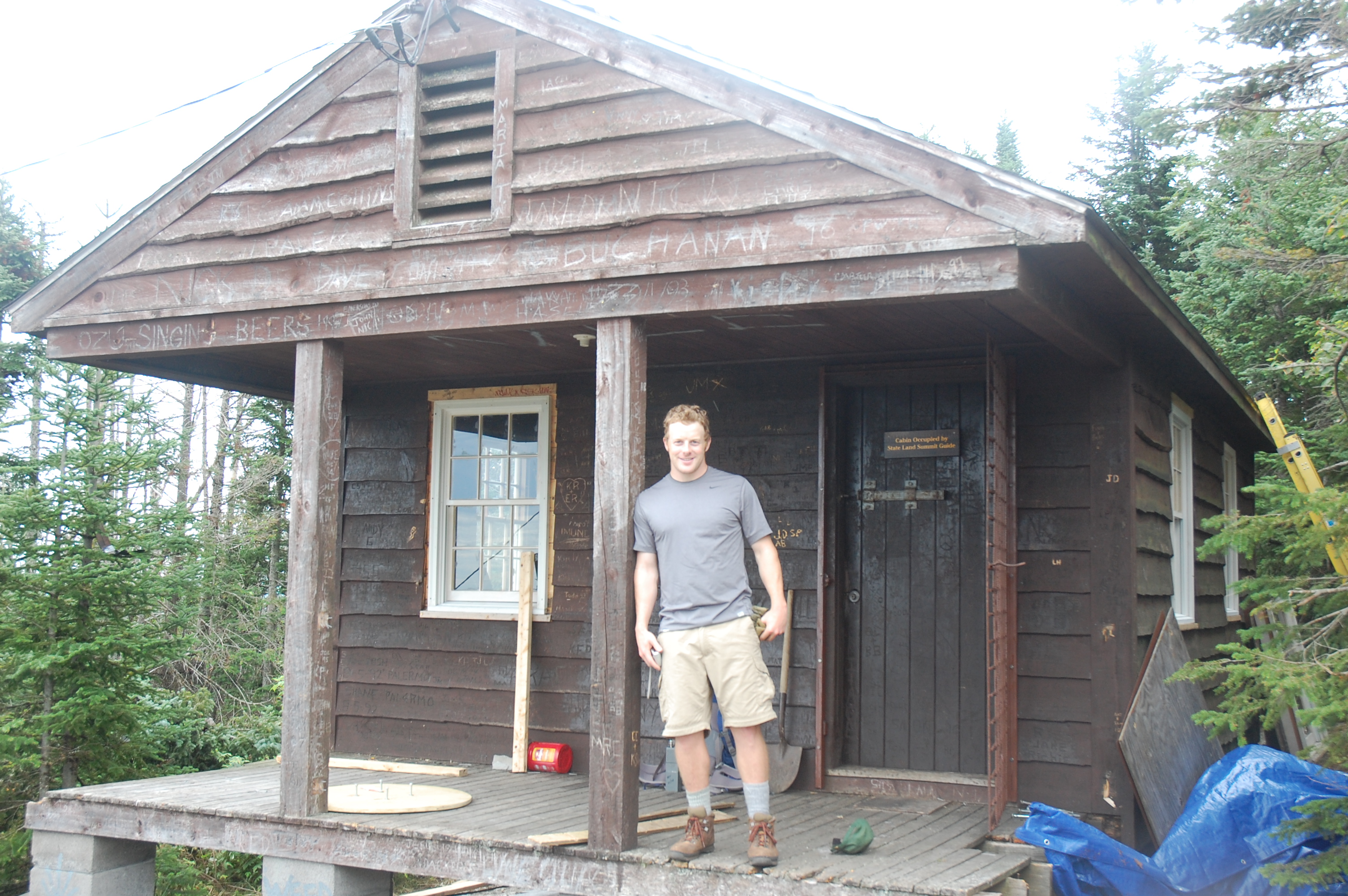
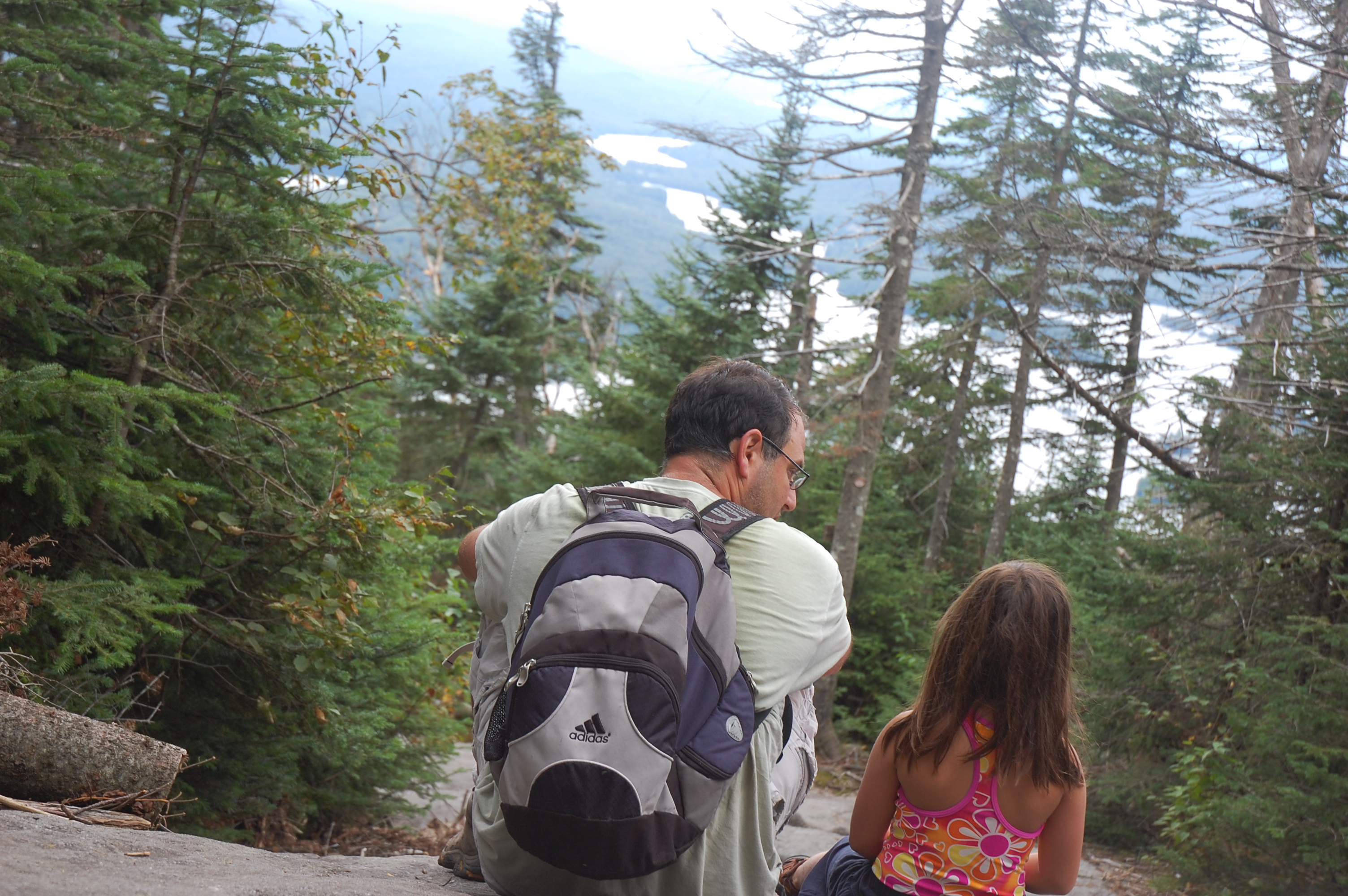
Blue Mountain is there for the climbing.  Corey and I have climbed it twice, Henna once.  The first time Corey and I were in our late 20s and I remember it being a pretty easy hike with a great view on top.  There are even better views from on top of the fire tower.  The second time up we were in our late 30s (Henna was not quite 7).  Henna did fine but was sort of pushed up the last half mile or so.  Corey and I worked harder to get up that mountain that I would care to admit.  The last chunk of the hike is straight up (no switch backs here) and I cursed gravity most of the way up.  We ended in a collapsed heap at the base of the fire tower.  There we met a mountain hermit or, actually, a young college student living at a cabin just behind the fire tower for the summer.  He was eager for conversation and told how a black bear walked just past his cabin a few nights past.  We stayed awhile on top of the mountain.  Henna and Corey refused to climb up the fire tower but I did and got some nice pictures for my effort.

Cosby Campground

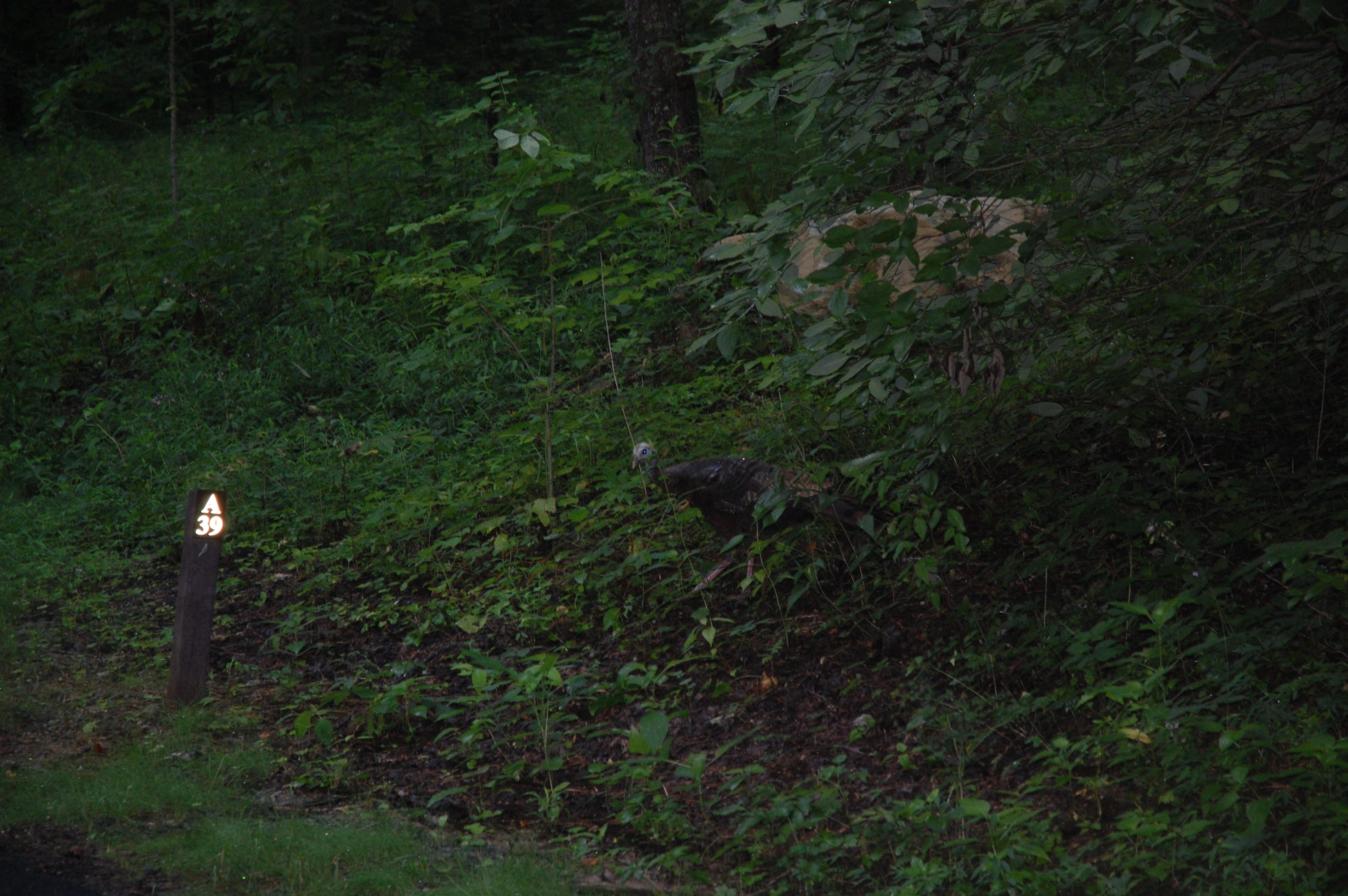
Unfortunately one of our favorite spots in the world is also one of the world’s favorite spots.  I am talking about Great Smokey Mountain National Park which is but a day or two away from New York City, Philadelphia, Baltimore, and other points east.  The park is beautiful in the fog, magical at twilight, and crowded whenever.  Car jams aplenty, crowded trails, and do not even think of going to Cades Cove on a weekend afternoon.  But there is a place on the periphery of this madness that is hardly ever too crowded.  Cosby Campground.  While other campgrounds fill up every night, our family was only one of two families in the entire campground loop the three nights we stayed.  This other family had a camper so we actually had the whole bathroom to ourselves (modern plumbing, no showers).  Every afternoon someone cleaned the bathroom.  This was maybe the nicest, most hygienic campground experience I have had in my 13 or so years of car camping.  That trip I also woke each morning to a mother Turkey leading her charges around the campground.  I am not sure why we only stayed three nights.

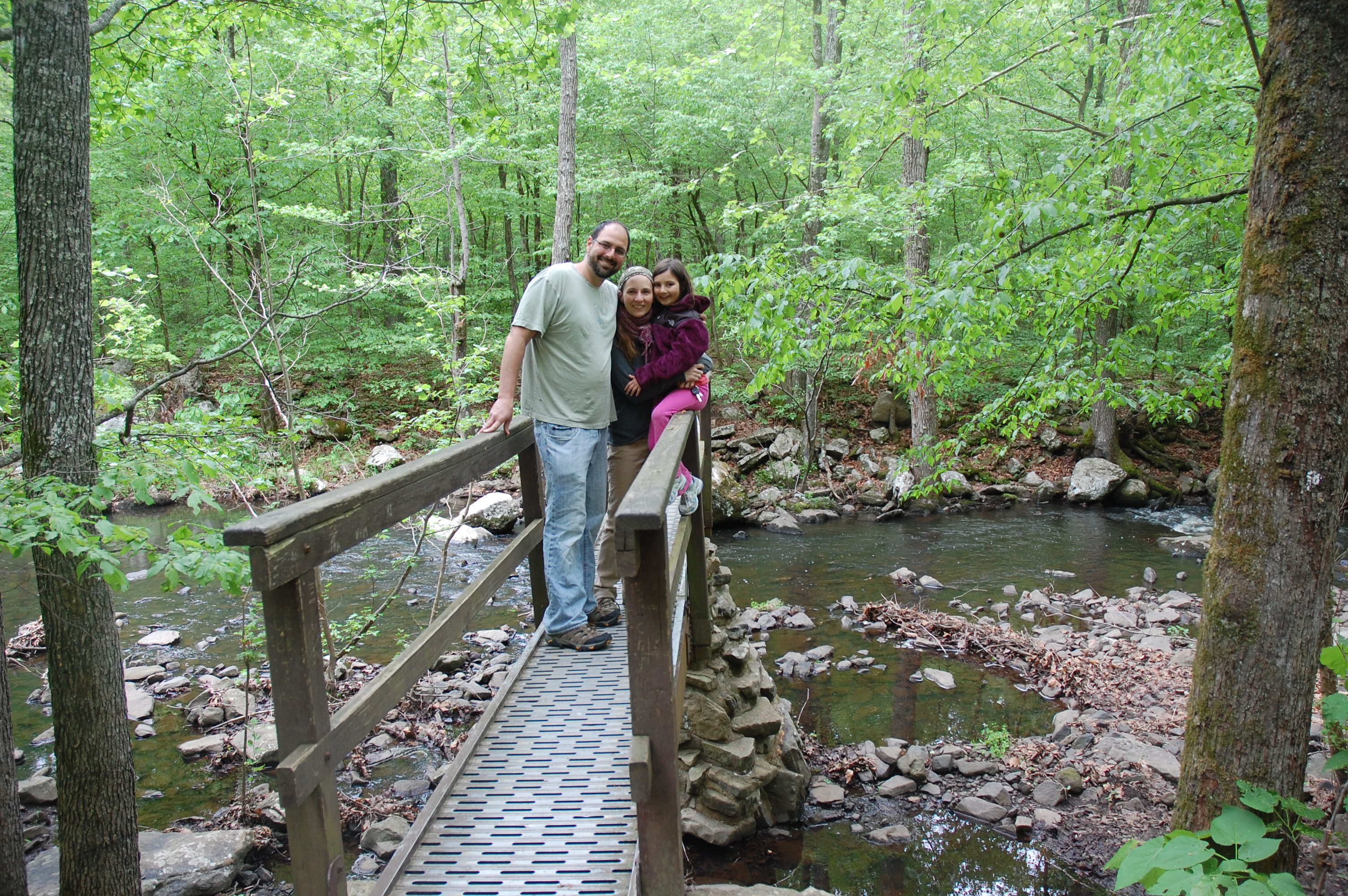
There are no shortages of trails leading from the Cosby Campground.  We enjoy the small (maybe a mile at the most) nature trail which crosses and re-crosses a stream over small bridges and wide logs.  Other hikes extend miles into the park in search of waterfalls and vantage points.  Our favorite hike leads to Hen Wallow Falls which is in fact named after our daughter Henna (not really).  You can also hike in to several backcountry campsites. There is also a small graveyard near the entrance of the campground that is worth exploring.

How to get there:  From Knoxville, you continue on I40 to, maybe, exit 440.  This route avoids Gatlinburg as well as many wax museums, water slides, and Christmas themed stores.  Once turning off the highway, prepare for a windy, up and down road with a lot of confusing signs that sort of lead to the campground.  GPS sort of helps but you might have to ask for directions too.  At the campground and/ or at the trailheads, expect enough people there so that you will not get too nervous (this is black bear country after all).  But you will probably never feel crowded in.  Last time we were there the campground host said that the only time he ever remembers the campground completely filling up was on July 4th.  The campground also gets a bigger crowd on summer weekends.   So come, enjoy the peace, the quiet, and the hiking.  Just please do not tell anyone about the place.  I don’t want it to get too popular.