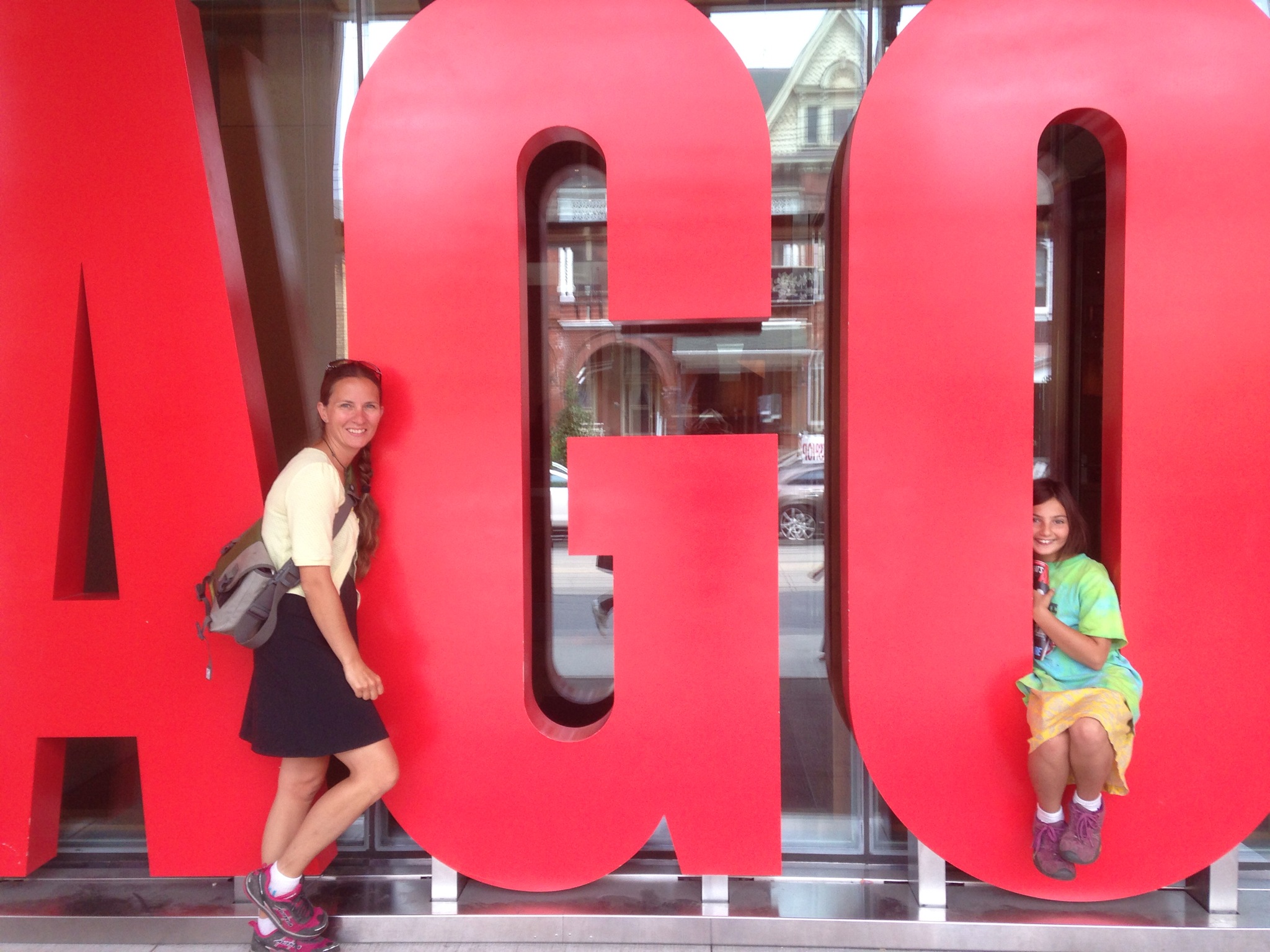
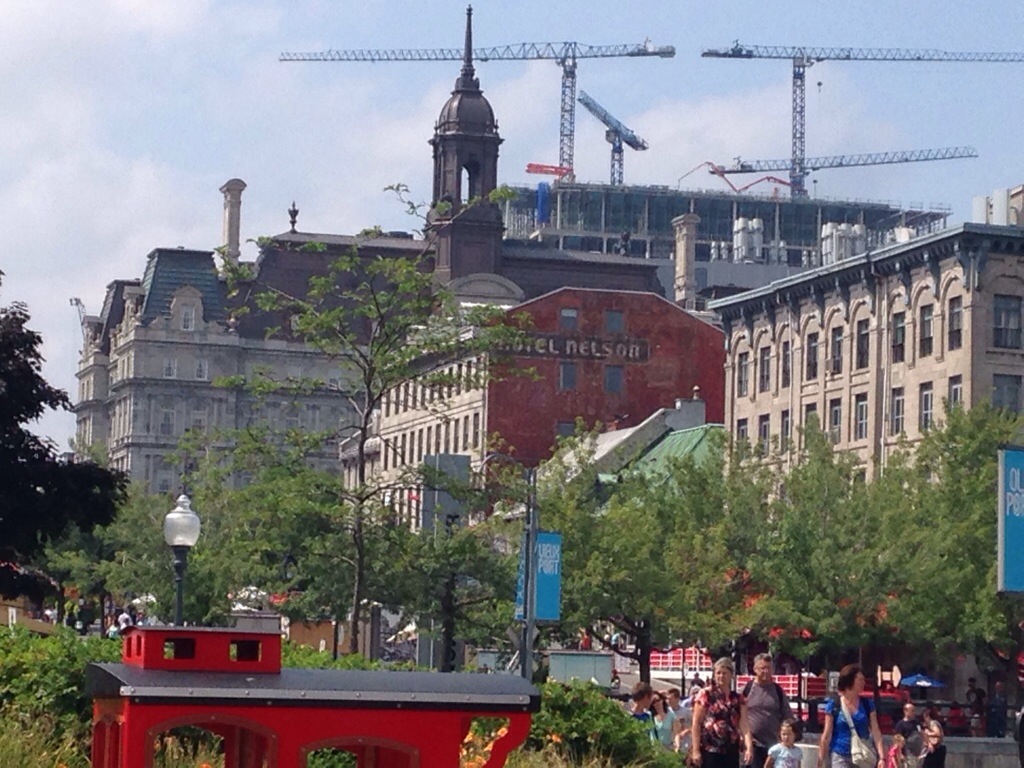
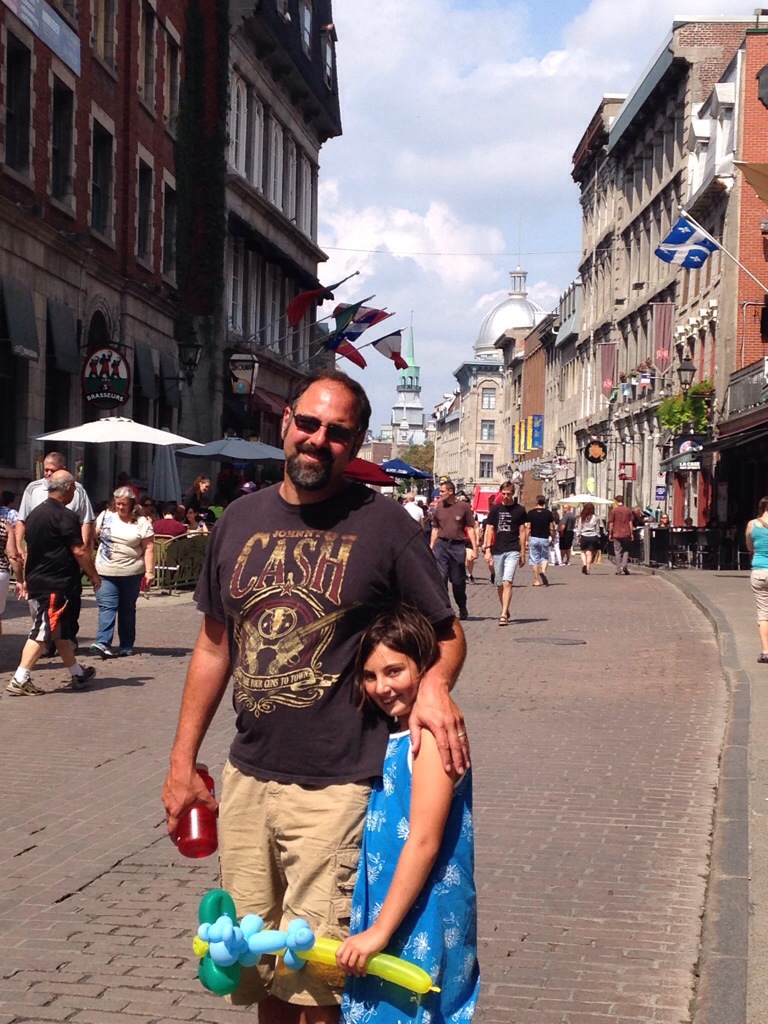
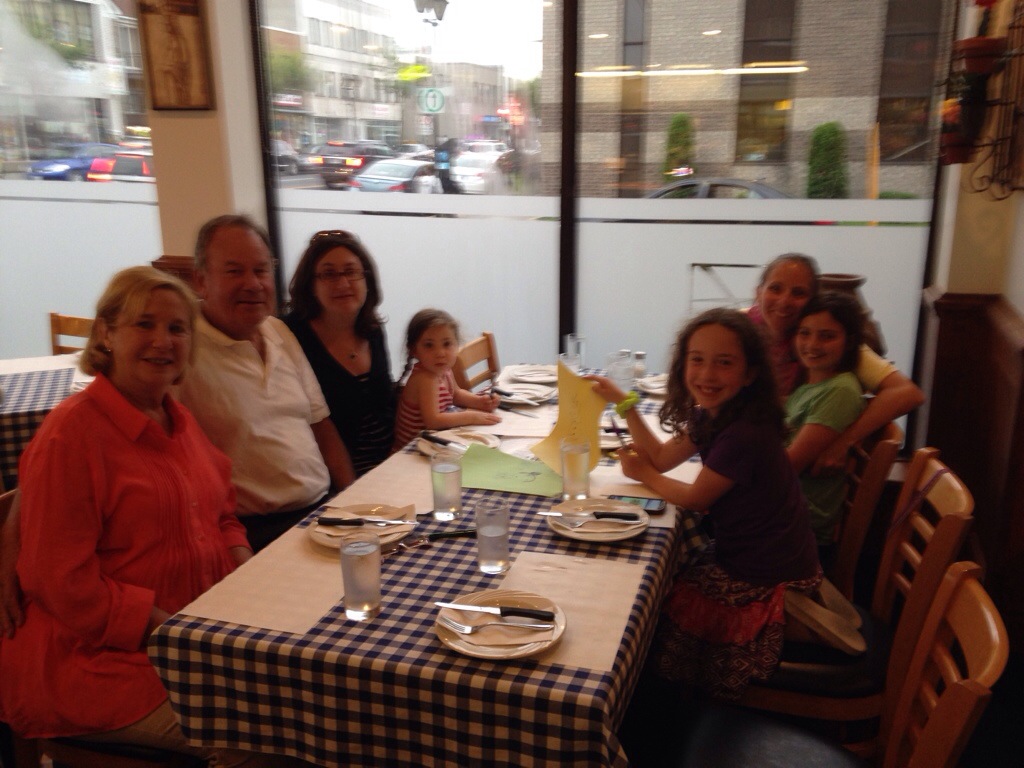
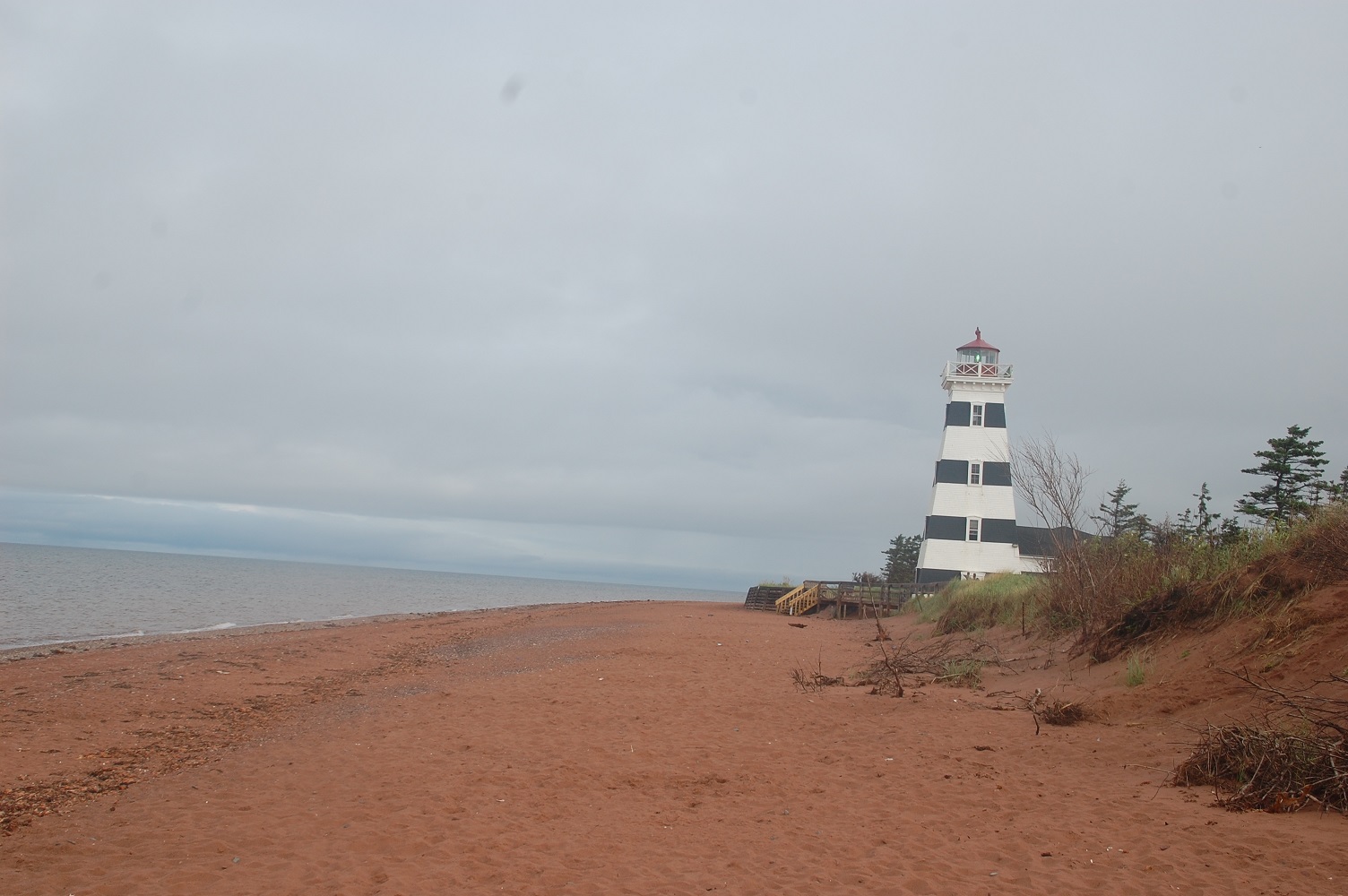
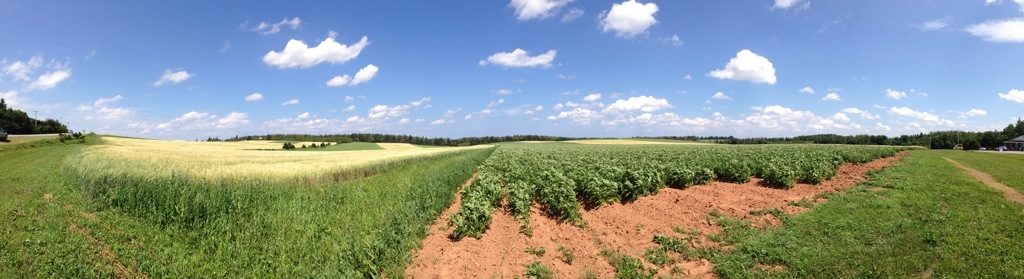
We are here in lovely St. John’s. The folks on this island have proved to be the nicest and these nice folks went beyond by escorting us to the best pizza outside of Chicago.
Gros Morne
There were no moose living in Newfoundland prior to 1904. That is when the British introduced four moose to the island in an effort to promote better eating habits among the islanders. From that modest stock there are now well over 100,000 moose in Newfoundland. There favorite pastime is to jump in front of moving cars. So it was a little bit scary when the fog rolled in midway through our journey south from St. Anthony back to Gros Morne. While locals and kids on bikes passed me by, I gripped the steering wheel tight and made it back safely to the national park.

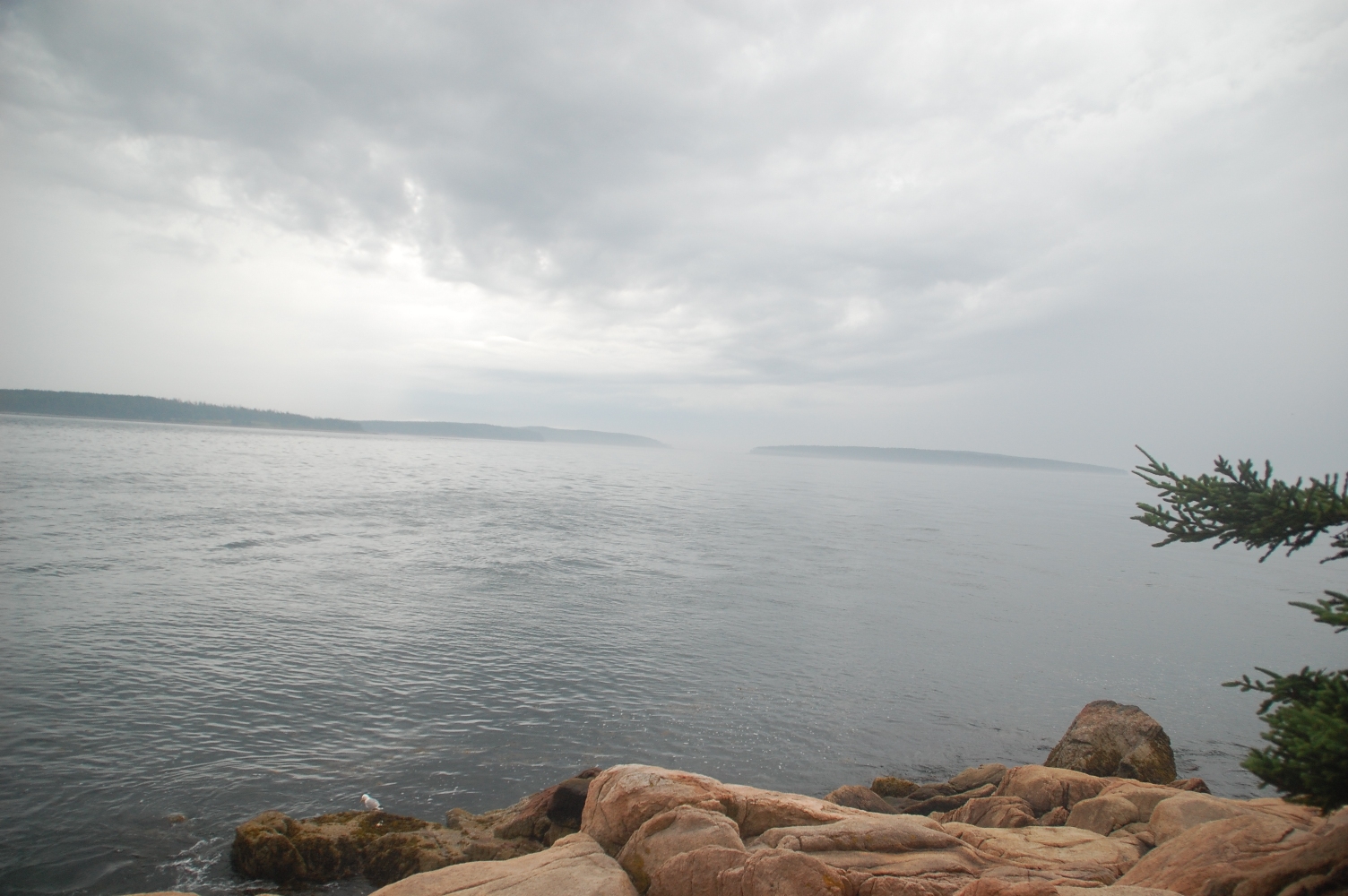
Gros Morne is like no park I have ever been. Among the oddities are bays with water so still they look like lakes along with fjords that have been landlocked for tens of thousands of years. Oddest yet are the Tablelands ands which are portions of the earth’s mantle exposed for tourists to climb over. There is no other known place like it.
It is also very much a living museum. Created the same year Corey and I were (1973), it is nestled in a hard-working family fishing world where many of the park interpreters spent summer after summer salting and canning the fish their fathers caught. Within the park boundaries there are several villages that consist of little more than a few scattered houses facing the sea and the equipment needed to bring the fish to market. Many of the people we have met over the past week are fishermen elsewhere on the island who have done this work for generations. Talking with them (especially the older generation) gives one a real appreciation for how hard it is to make a living off the sea. Catching the fish is the easiest part (and is done almost exclusively by the men). You then had to gut them, salt them, wash them, dry them, can them, and then clean the cans for market. One family operation cleared over 100,000 pounds of fish in a single summer. They were paid a cent and a half of pound so $1500 was divided among three families (with a work week lasting every hour of the long Newfie summer day).

The curious thing about Newfoundland is the limited amount of fish ready to buy at market. Fish here is a commodity sent south to Maine or east to Europe. Maybe you keep a little for the home, but there is none to buy at the local grocery shelves. Truth be told there is little else to buy and in the end that might be why we come home.
Most Amazing Place
Welcome to Vinland
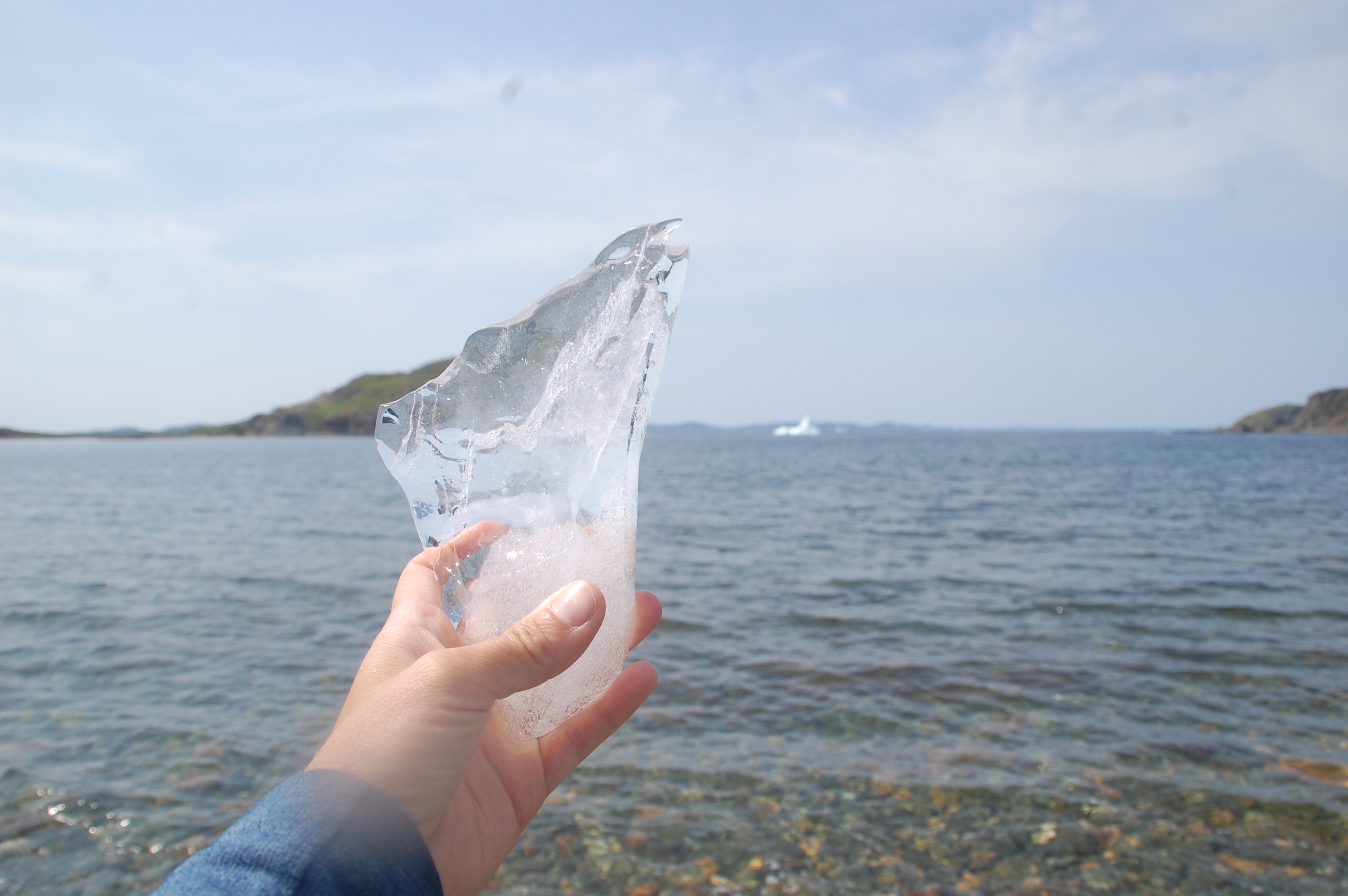
Driving a little over two hundred miles north from the Gross Morn area takes you to, as someone else told me, “the land good weather forgot.” The trees, which are by no means tough and sturdy on the south end of the island, become gnarled, stumpy things bent over backwards by the constant salt winds. The population thins out too but there are enough little encampments of people to support a few tiny grocery stores, some motels, and gas stations. St. Anthony, which rests at the top of the peninsula and served as a hub for Canadian-U.S. military radar installations during the Cold War, is noticeably larger but still possesses that stark frontier feel. Polar bears come in late Spring and are sometimes tranquilized and brought back to Labrador when they wear out their welcome (and for that reason we were very polite to everyone we met). Lucky for us there were a few icebergs in nearby Goose Cove to gawk at. But the main attraction was L’Anse Aux Meadows and it did not at all disappoint.
The Norse (and that is a more accurate descriptor than Viking) landed in North America four hundred prior to Christopher Columbus. We know that for sure because they left their mark near the town of L’Anse Aux Meadows. Excavated there was the imprint of their homes along with a ring, some nails, evidence of a smelt ironing operation, and a few other artifacts. There also were several butter nuts and butter nut wood remnants which are not found anywhere on the island (but are, along with grapes, plentiful in New Brunswick and Quebec). Much of what they found fits in neatly to the sagas recorded by Irish monks some two hundred years later. No bodies were recovered in the meadow, but by the year 1000 (and that is the year carbon dating suggests) they were Christians. They would have boiled or otherwise separated the bodies from the bone and then taken the skeleton to consecrated grounds (like there is in Greenland where a European was found buried with an arrow head near his chest that may have been worn as an ornament or could have been more forcibly put there).
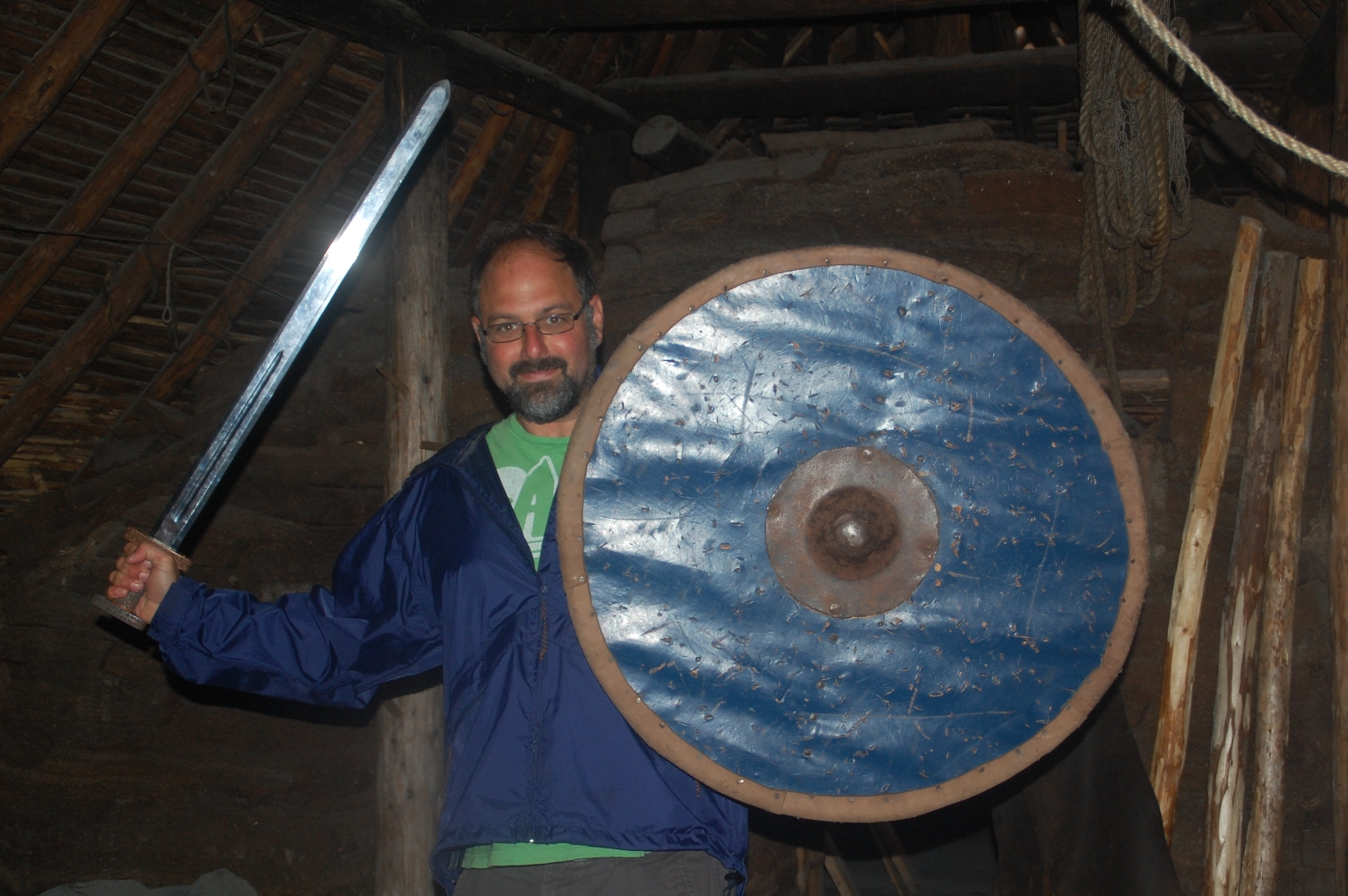
The three of us (two Norse ladies and a wannabe) were greatly impressed by all there was to do at L’Anse Aux Meadows. From the guided tour to the recreated Norse outpost (complete with three awesome actors) it was done with dignity and left us with a much better understanding of just how remarkable this world is. Think about it. A band of maybe twenty five explorers stumble upon an entirely unheard of (for Europeans anyway) continent. They almost definitely had no idea where exactly they landed and seem to have lost interest in the land after a few expeditions (Parks Canada believe that over a period of fifty years they spent maybe ten non-consecutive years in the meadow). But they smelted iron, traded and fought with Native Americans, and slept under the stars of North America. Not bad for a bunch of Scandinavian farmers. Noel
An Island Like No Other: Newfoundland

You quickly learn that there is nice and there is Newfie nice. The first is typical good manners, maybe someone going out of their way to lend you a hand. The latter is an intense, oh my goodness, I can’t believe this total stranger just volunteered to run home and grab my daughter a book. In Cow’s Head (pronounced without the h), we turned that offer down. But time after time people here have proven there well-earned reputation in everything except for in their use of initial consonants. That plus their accent, a strange combination of Gaelic and Appalachia, makes every conversation a bit mystical in the sheer impenetrability of it all. In Trout River the three of us got a bit lost and were immediately approached by a burly man yelling and waving his arms at us. He just wanted to help us find where we wanted to go but in doing so he almost whistled the daily news (a sad story about a man who lost a loved one and then passed just a few months past). The damp day, the sincerity of the man, and the effort it took us to understand him really underscored the overall sadness in the moment.
We have been on this island like no other for just a few days. In that time we have explored a few villages (mostly colored homes pressed tight against the ocean and leaving little room for sidewalks, shops or pretty much anything else) along with a quiet arm of Gross Morne National Park. We headed north yesterday, into a part of the island that regularly gets polar bears floating in from visiting icebergs (and after taking the ferry I have to think that is probably the way to go). Closer to the town of St. Anthony we began to notice isolated garden patches just off the side of the road and in the absolute middle of nowhere. Later we found out that in building the road tons of dirt where imported from elsewhere and that in these road beds is some of the more fertile grounds in the entire province. It is worth then a trek into nowhere to harvest ones vegetables (scarce and expensive at the always very small grocery store) to both eat and to share with neighbors.
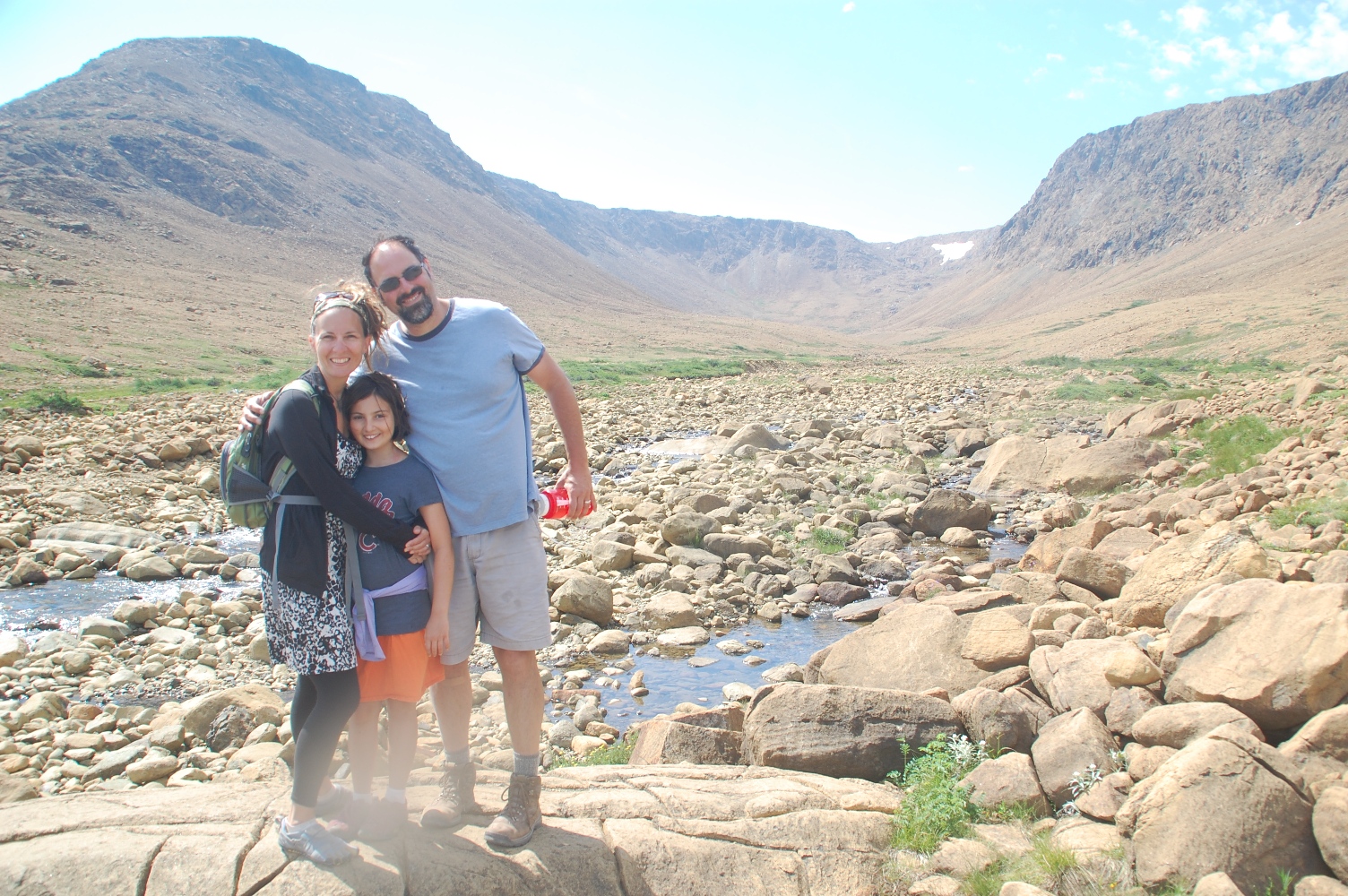
We also continue to make interesting friends such as the musician from Czechoslovakia and his girlfriend making their way from Vancouver Island (where they lived the past two years). With a leaky tent and suspect car they ply their way east. At the same campground we also met Anthony Germain (host of CBC’s St. John’s Morning Show) and his lovely wife Doris (a teacher) who filled us in on what we needed to see on the west coast and into St. John’s. Sarah, the young ranger (again, Canada is mostly run by college students) also bonded with us over our mutual love of Menchies (there is one in Corner Brook and two in St. John’s) and theatre. There also was the couple we met in the Table Lands who sailed from Lake Ontario up the St. Lawrence Seaway all the way to Newfoundland. They had a few tales to tell too. The impressively squared off mountains and bay just pick up every mood of the sun and for most of the time there everything radiated good vibes. Conversations were easy.
There is more, much more, but for now I leave you with photos. Noel
Our Last Day in Nova Scotia
Our last full day in Nova Scotia began with us meeting ourselves again. This time it was two educators, Joseph and Shelly, from Minnesota. Joseph is of my tribe and Shelly is a Swede. Their children, like Henna, are Swedish Jews. Like us they also love to travel, are easy to talk to, and we hope our paths cross again. Before meeting up with them I spied a pod of pilot whales who flirted a bit with the coast beneath our feet. When I whispered “whales” into the tent it was the fastest I have ever seen the two sleeping princesses get up. Later we hiked one of the many trails in Meat Cove to a grassy knoll where a bald eagle was hanging out. We exchanged blog information and then left for the mostly deserted beach. Later we drove to a much more crowded but sandy beach on Cape Breton’s west side.
The second half of the day was a bit of a clean up for us; dishes, bodies, and laundry. The Cape Breton KOA left a little to be desired but we made more friends (this time a school principal, his wife the school’s secretary/librarian, and their very adorable two kids who are a bit younger than Henna). Jordan is actually the second school principal I have met camping in the last week (the other was an older gentleman from Quebec). At other campgrounds we have met occupational, physical, and speech pathologists along with a retired school superintendent who half-heartedly recruited me to work in Vermont and then practically salivated when he found out Corey is a speech pathologist. So you can be pretty certain that every teacher you have ever know is spending the summer camping.
All of this leads to where we are right now which is on a ferry headed to Newfoundland. We waited in a parking lot/lounge area for about an hour and a half and have been waiting another thirty or so minutes on the boat. There is a rumor we might set sail in the next fifteen minutes. I will keep you posted. Noel
Nature’s Infinty Pool
Chased away by the bugs at Seafoam Campground in Nova Scotia, we made our way north. Looking rough, we caffeinated at a Tim Hortons and then took an extended picnic at the town park in Antigonish. A short time afterwards we drove across a causeway onto Cape Breton Island and immediately missed a turn which brought us to The Curious Collector.
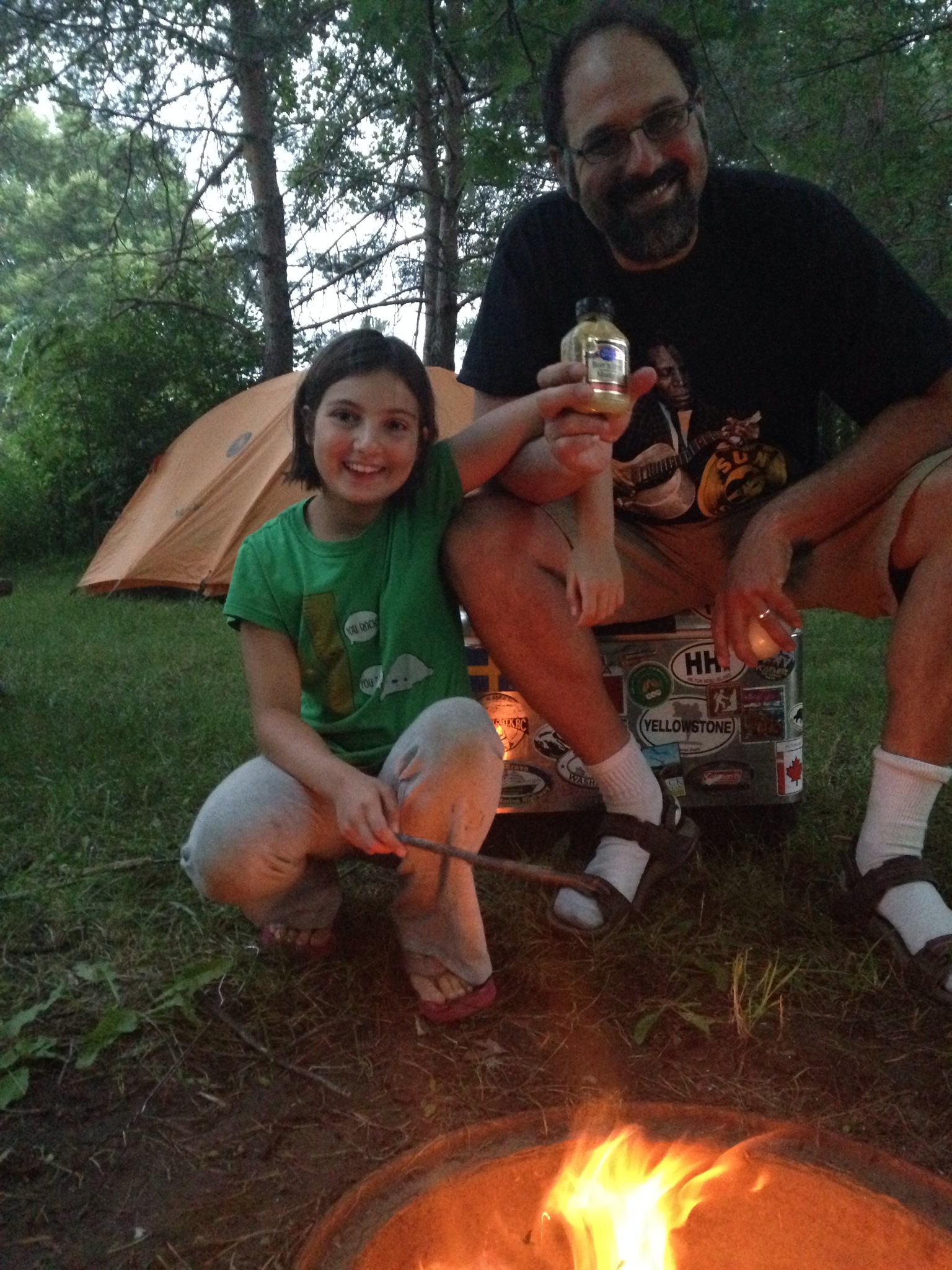
Items purchased at The Curious Collector: One massed produced beer stein, a “wade” (collectables made for Red Rose Tea), a collection of Archie comic books, and one small metal seal. Most important acquisition, however, was the mass of local knowledge offered by the proprietor, Robert Olson, free of charge. From him, we learned that the sea food chowder (along with the “bucket of mud”) made down the road was good enough to be featured on the Food Network, that there was a nifty route that cut across a valley and would take us where we wanted to be, and the perfect beach to spend an hour or two. Well, the chowder was excellent, the drive wonderful, and the beach amazing. Later we stumbled upon another beach side campground but this one was mostly bug free. The wind did howl, but all in all it was an excellent night.
This then positive momentum rolled into what I call “Nature’s Infinity Pool.” Back at Bay of Fundy Corey noticed a woman with eccentric hair. She then spied the same person (and said hello) at the bug infested campground from hell. When we pulled off the road to check out the first campground at Breton Highland National Park, there she and her husband were. It was like greeting old friends. They told us of the little pond stemming from the river that spills into the ocean. He was wearing swim trunks when he told us. So two hours later, wet and refreshed, we took a hike. And then after that hike we swam some more. Later on we noticed an Outback from Illinois. Driving this Outback was a family of three from Chicago. Weird. Two of the three (dad and daughter) were musicians and later they treated us to some fine fiddling and guitar strumming. They truly made our night and hope that we reconnect closer to home. So the next day we hung out some more at the beach, hiked a few trails, and then revisited Meat Cove. And here is the thing about camping, for $30 we get to pitch our tent at the northern most tip of Novia Scotia. There is a Chowder House too and even though we ate seafood for lunch, we paid the $12 for a bowl of that fine white stuff. Yum. The waitress, she was six the last time Corey and I came this way. I told her how I remembered some kids playing at the beach who said sharks infested the water (I suspect this was said to keep kids from the water). She said that her parents use to always tell her that but she kind of knew they were wrong. By her count only six families live in Meat Cove and her family has owned the campground for the last thirty years. In the winter a bus took her the six graveled miles up a winding cliff over a lot of snow and ice to school. Once a week the entire school day was devoted to learning how to ski. Sometimes they worked on ice fishing too. I am not making this up.
So all good things come when one goes home again. Next time I write will hopefully be from Newfoundland.
Cape Brenton
Paint Pots and Nova Scotia
Ahhh…the red’s, blues and green’s are so much brighter here. We drove from Hopewell Rocks, a by product of erosion and tide, to this perfect beach. First we skipped rocks then tried to enjoy the Nova Scotia night but were swarmed by unrelenting Mosquitos who then buzzed outside our tent all night. Actually worse than what it sounded like. Off now to Cape Breton and hopefully the bugs do not come with.
We Go to New Brunswick
Rested, we left the bed and breakfast in E. Machias for the Maritimes. Across the remainder of Maine and into New Brunswick Arthur’s footsteps could be felt in the trees down and lack of electricity in many stores. But from what we could tell from the radio reports no one was seriously hurt in either Maine or Canada and it felt good to be starting the next phase of our trip.
Colder, much more wild, and considerably less crowded, New Brunswick offers a glimpse of what maybe Maine was like fifty years ago. In-between small cities like St. John exists large tracts of woods, family owned farms, and stunning views of the Bay of Fundy. Bay of Fundy National Park, which offers not only the largest tides in the world but also wild, clean rivers and trails reaching deep into the heart of old growth forests, has exactly one tourist town on the perimeter. It is walking distance from our campground and offers less than a half dozen places to eat, three motels, and a bed and breakfast. The main road leading through is almost completely deserted after dark.
After hiking to a waterfall and then along one of those wild rivers, we took a dip in the salt pool. Replenished nightly from the bay, the water is filtered but not chlorinated. Despite a cold wind and only mid-60 degree weather the pool attracted more than a few families. Pressed close to the bay itself and with a glass wall surrounding the pool, it is easy for one to imagine that you are swimming in the ocean yourself. And that is what Henna and I did until we left to go get some ice cream. Noel